
Deliver To :
Amsterdam, North H... 1105Categories
- Restaurant Equipment

- Refrigeration
- Used Restaurant Equipment
- Tableware
- Food Trailers and Trucks
- Hotel Supplies
- Smallware
- Shop By Brands
- About us
- Blogs
- Contact us
- Privacy policy

Deliver To


 0
0 
Deliver To :
Amsterdam, North H... 1105Commercial Convection Oven
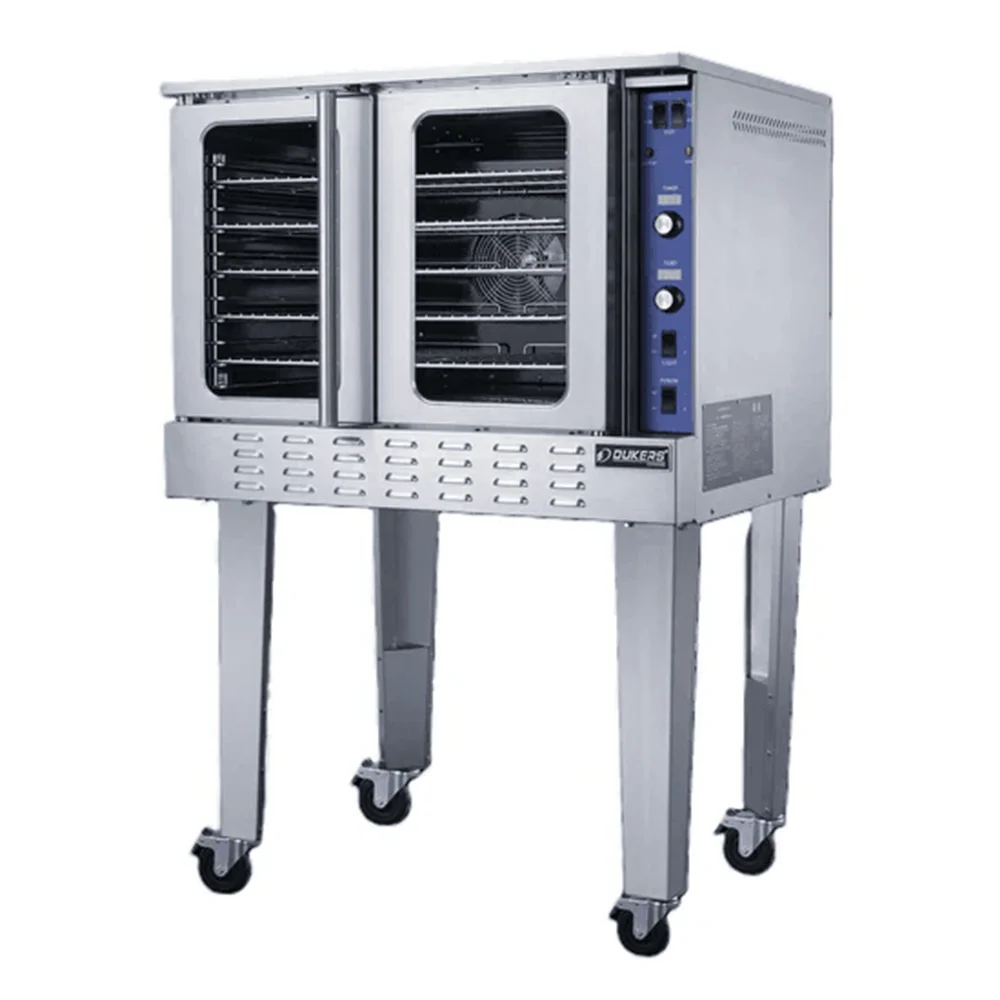
Bake evenly and efficiently with commercial convection ovens engineered for consistent professional results.

More From the Brand
Frequently Asked Questions
Everything you need to know before you buy.
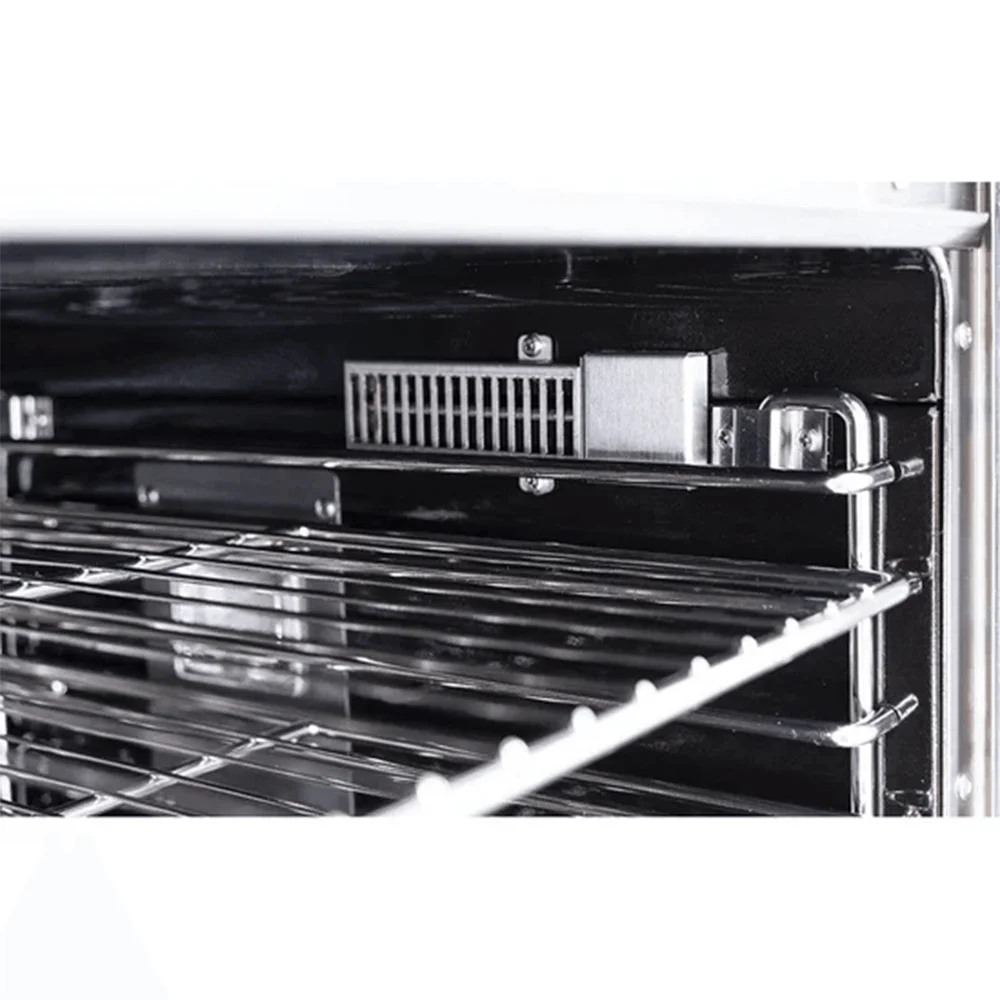
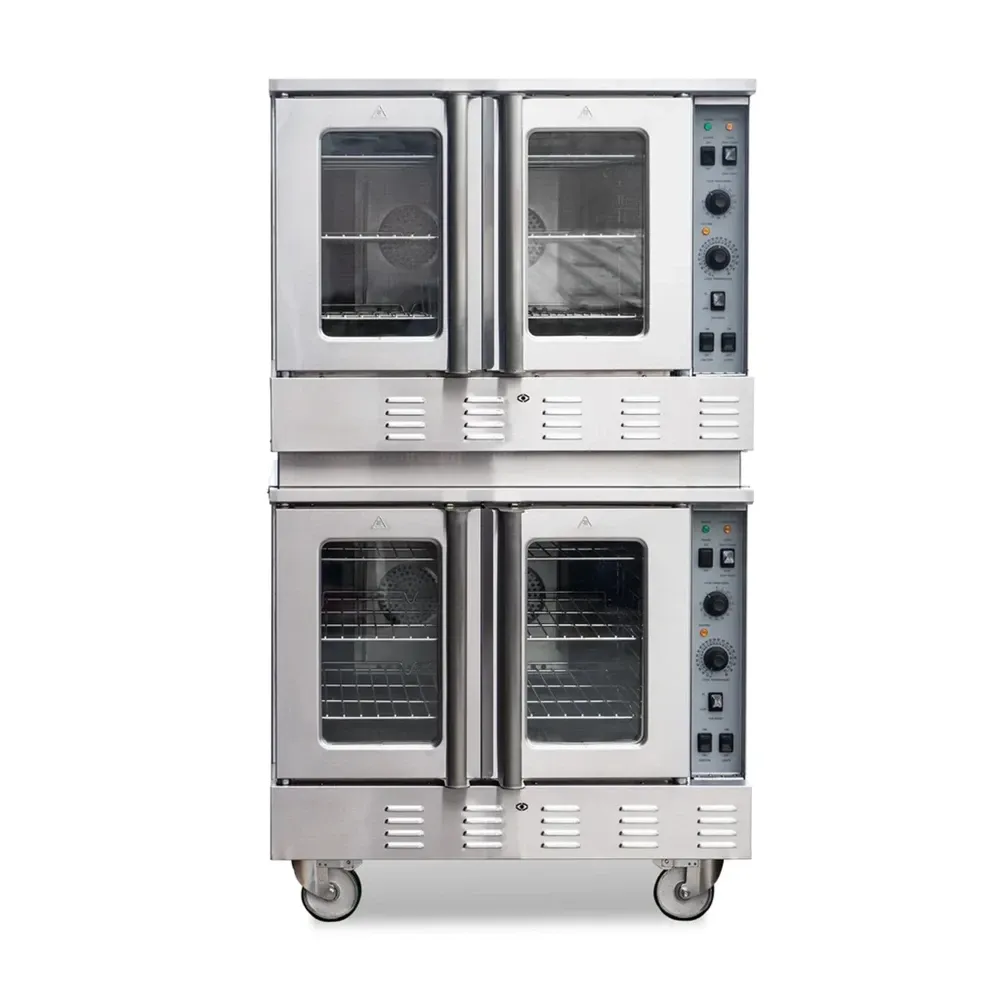
A commercial convection oven is a professional kitchen appliance that cooks food using circulating hot air generated by an internal fan and heating elements. The fan distributes heat evenly throughout the oven chamber, eliminating hot and cold spots. This airflow improves heat transfer and allows food to cook faster and more uniformly compared with conventional ovens. Convection ovens are widely used in restaurant kitchens for baking, roasting, and reheating foods.
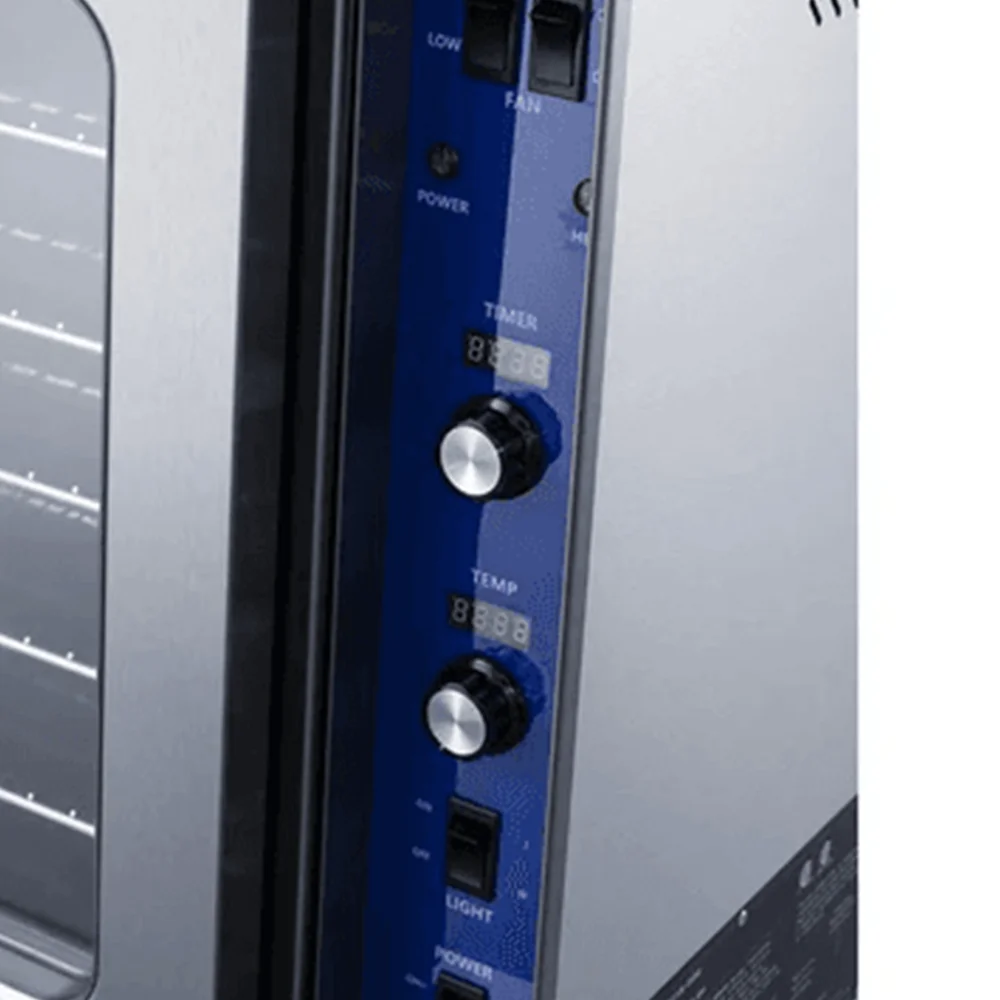
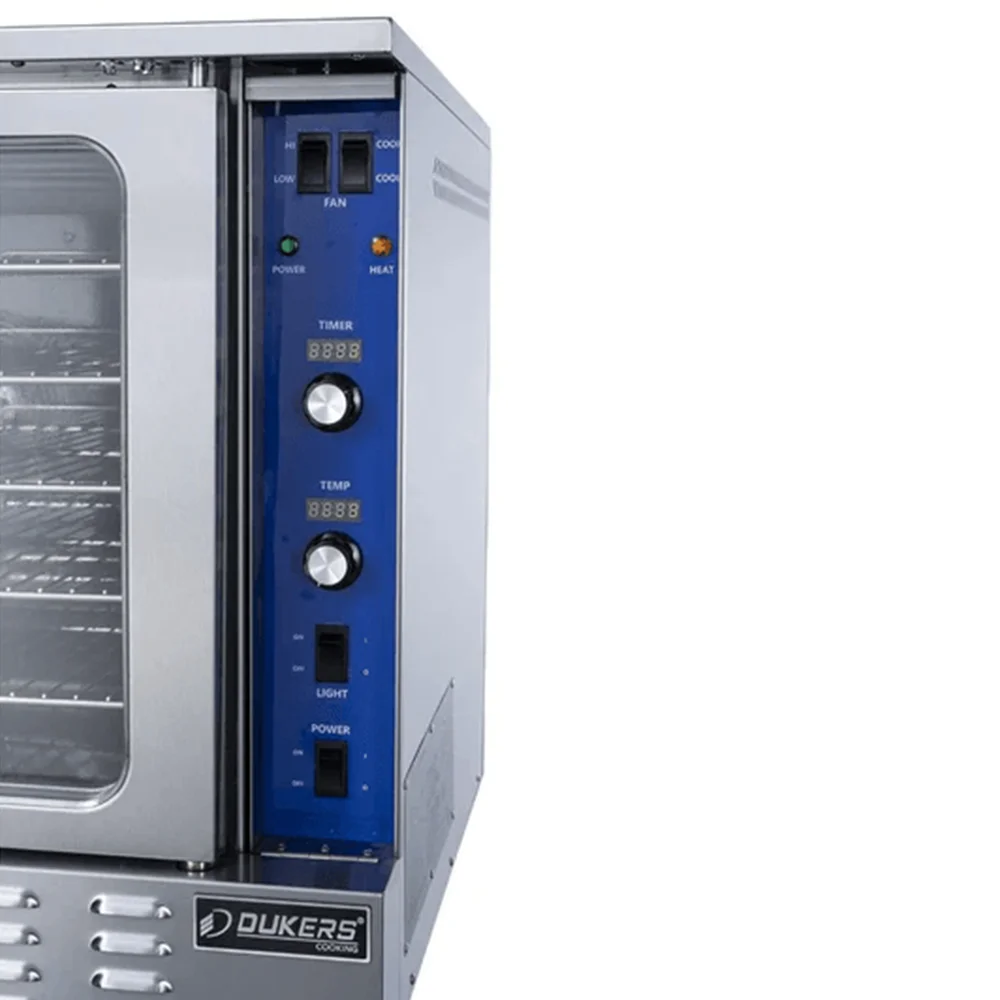
Commercial convection ovens typically operate within a wide temperature range suitable for baking and roasting, commonly from about 150°F to 500°F (65°C to 260°C) depending on the model and application. In convection cooking, temperatures are often set about 25°F lower than in conventional ovens because the circulating hot air improves heat transfer and cooking efficiency.
Commercial convection ovens are versatile and can cook a wide range of foods including pastries, bread, roasted meats, vegetables, cookies, casseroles, and baked desserts. The consistent airflow promotes even browning and crisping, which makes these ovens particularly useful for baking and roasting tasks in restaurants, bakeries, and institutional kitchens.
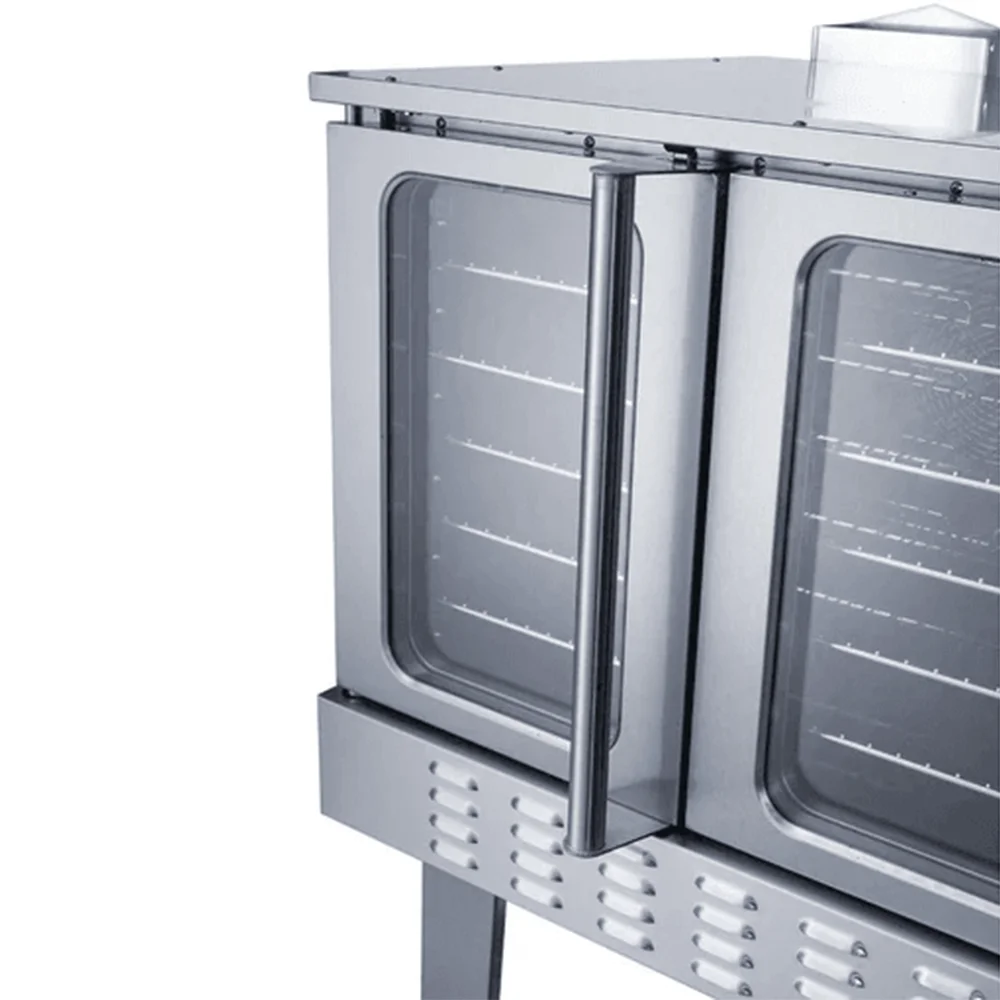
Commercial convection ovens are available in half-size and full-size models designed to accommodate standard sheet pans. Full-size models typically fit 18 × 26 inch sheet pans, while half-size units hold smaller 18 × 13 inch pans. Many models include multiple rack positions, allowing restaurants to cook several trays of food simultaneously for higher production capacity.
Commercial convection ovens used in foodservice environments often carry certifications such as ENERGY STAR, NSF, UL, or ETL. ENERGY STAR certified convection ovens can be about 27% more energy efficient than standard models and may reduce energy consumption by around 1,200 kWh annually for electric units. These certifications indicate compliance with efficiency, sanitation, and safety standards for commercial equipment.
The main difference is airflow and heat distribution. A convection oven uses a fan to circulate hot air around the food, while a conventional oven relies mainly on radiant heat from stationary heating elements. Because of the circulating air, convection ovens cook food more evenly and often faster, reducing cooking times by about 25% in many applications.
Restaurants use convection ovens because they provide faster cooking times and consistent results across multiple racks of food. The circulating hot air removes the cooler air layer surrounding food, allowing heat to penetrate more efficiently. This helps kitchens prepare baked goods, roasted meats, vegetables, and casseroles evenly while improving productivity during busy service periods.
Convection ovens typically cook food about 20–25% faster than conventional ovens due to improved heat circulation. The fan-driven airflow distributes heat uniformly and removes the cool air barrier around food, allowing it to absorb heat more efficiently. As a result, kitchens can shorten cooking times and increase production capacity during peak service.
Commercial convection ovens commonly operate using electricity, natural gas, or propane. Electric models use heating elements to generate heat, while gas models rely on burners to heat the oven chamber. Both types use internal fans to circulate hot air for convection cooking. The choice often depends on kitchen utility connections and operational preferences.
Commercial convection ovens require regular cleaning and maintenance to maintain efficiency and food safety. Operators typically clean interior surfaces, remove grease buildup, inspect fans and heating elements, and check temperature calibration. Routine maintenance helps ensure consistent airflow, stable temperatures, and longer equipment lifespan in high-volume restaurant kitchens.

HorecaStore is the fastest-growing online restaurant-supply company in the U.S. stocking 100,000+ items from True, Vulcan, Hoshizaki and more, ships free next-day nationwide, and beats competitors by 8–15 % with zero freight.
HorecaStore is the fastest-growing online restaurant-supply company in the U.S., stocking 100,000+ products from True, Vulcan, Hoshizaki and more in our own warehouse. We ship free next-day nationwide, beating competitor prices by 8–15 % with zero freight or middle-man markup.
