Discover Exceptional Products and Unmatched Service.
Power up your kitchen with reliable cooking equipment for restaurants and catering services. Trusted brands, fast shipping, unbeatable prices.

Medal Equipment SPDRS022 Door Switch, Gray
Model No: SPDRS022
⚡ Fast DeliveryShipping Fee
Mostly Ships in 1 to 2 Days

Medal Equipment SPPRO396 Probe, Black, 4.5 Meter Length
Model No: SPPRO396
⚡ Fast DeliveryShipping Fee
Mostly Ships in 1 to 2 Days

Medal Equipment SPLGS017 Light Switch, Black
Model No: SPLGS017
⚡ Fast DeliveryShipping Fee
Mostly Ships in 1 to 2 Days

Medal Equipment SPPRO394 Probe, White, 4.5 Meter length
Model No: SPPRO394
⚡ Fast DeliveryShipping Fee
Mostly Ships in 1 to 2 Days

Medal Equipment SPFLD004 Copper Filter Drier for Prep Tables & Undercounter Refrigerators
Model No: SPFLD004
⚡ Fast DeliveryShipping Fee
Mostly Ships in 1 to 2 Days

Medal Equipment SPFLD001 Copper Filter Drier for Prep Tables
Model No: SPFLD001
⚡ Fast DeliveryShipping Fee
Mostly Ships in 1 to 2 Days

Medal Equipment SPDRS015 2 Pin Door Switch, Black
Model No: SPDRS015
⚡ Fast DeliveryShipping Fee
Mostly Ships in 1 to 2 Days

Medal Equipment SPPHE052 Heating Element Protector, 115V, 15A
Model No: SPPHE052
⚡ Fast DeliveryShipping Fee
Mostly Ships in 1 to 2 Days

Medal Equipment SPDHG115 Stainless Steel Door Hinge, Up Left
Model No: SPDHG115
⚡ Fast DeliveryShipping Fee
Mostly Ships in 1 to 2 Days

Medal Equipment SPDHG116 Stainless Steel Door Hinge, Up Right
Model No: SPDHG116
⚡ Fast DeliveryShipping Fee
Mostly Ships in 1 to 2 Days

Medal Equipment SPDHG052 Stainless Steel Door Hinge, Up Left
Model No: SPDHG052
⚡ Fast DeliveryShipping Fee
Mostly Ships in 1 to 2 Days

Medal Equipment SPDHG062 Stainless Steel Door Hinge, Down Right
Model No: SPDHG062
⚡ Fast DeliveryShipping Fee
Mostly Ships in 1 to 2 Days

Medal Equipment SPDHG333 Stainless Steel Door Hinge, Down Left
Model No: SPDHG333
⚡ Fast DeliveryShipping Fee
Mostly Ships in 1 to 2 Days

Medal Equipment SPDHG086 Stainless Steel Door Hinge, Up Right
Model No: SPDHG086
⚡ Fast DeliveryShipping Fee
Mostly Ships in 1 to 2 Days

Medal Equipment SPDHG074 Stainless Steel Door Hinge, Down Right
Model No: SPDHG074
⚡ Fast DeliveryShipping Fee
Mostly Ships in 1 to 2 Days

Medal Equipment SPPLG149 NEMA 5-15P Plug, Black
Model No: SPPLG149
⚡ Fast DeliveryShipping Fee
Mostly Ships in 1 to 2 Days

Medal Equipment SPDHG067 Stainless Steel Door Hinge, Up Right
Model No: SPDHG067
⚡ Fast DeliveryShipping Fee
Mostly Ships in 1 to 2 Days

Medal Equipment SPDHG068 Stainless Steel Door Hinge, Up Left
Model No: SPDHG068
⚡ Fast DeliveryShipping Fee
Mostly Ships in 1 to 2 Days

Medal Equipment SPDHG075 Stainless Steel Door Hinge, Down Left
Model No: SPDHG075
⚡ Fast DeliveryShipping Fee
Mostly Ships in 1 to 2 Days

Medal Equipment SPDHG114 Stainless Steel Door Hinge, Up Right
Model No: SPDHG114
⚡ Fast DeliveryShipping Fee
Mostly Ships in 1 to 2 Days

Commercial refrigerators play a vital role in maintaining precise temperature control and ensuring food safety standards are met—making them essential for restaurants, hotels, catering services, and foodservice operations worldwide. At HorecaStore, we proudly serve over 5,000+ commercial kitchens with high-performance refrigeration equipment from globally trusted brands like True, Hoshizaki, and Beverage-Air. Designed for durability and efficiency in demanding environments, our units are backed by reliable warranties and built to support smooth, uninterrupted operations in every shift. Whether you need upright refrigerators, undercounter units, or display chillers, our wide selection meets diverse operational needs with advanced cooling technologies. Trust HorecaStore to deliver not just refrigeration, but also long-term value and peace of mind for your professional kitchen.
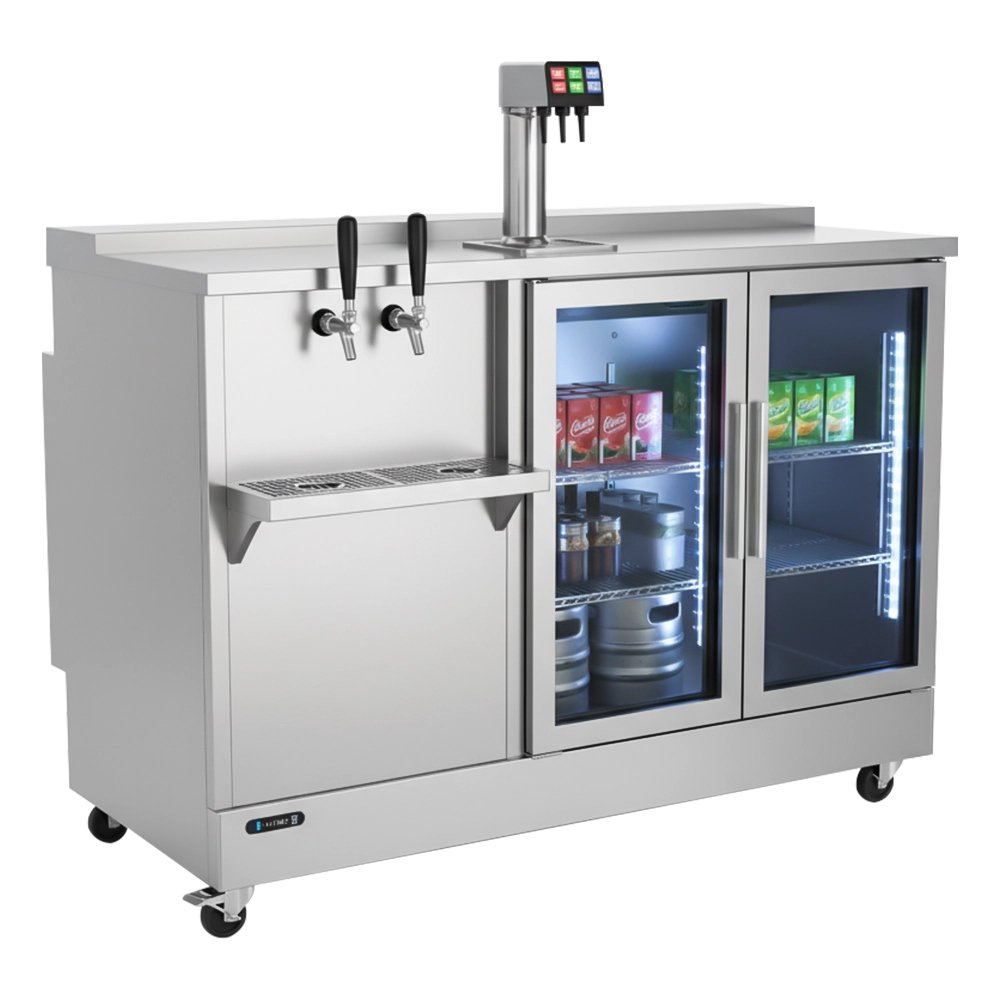
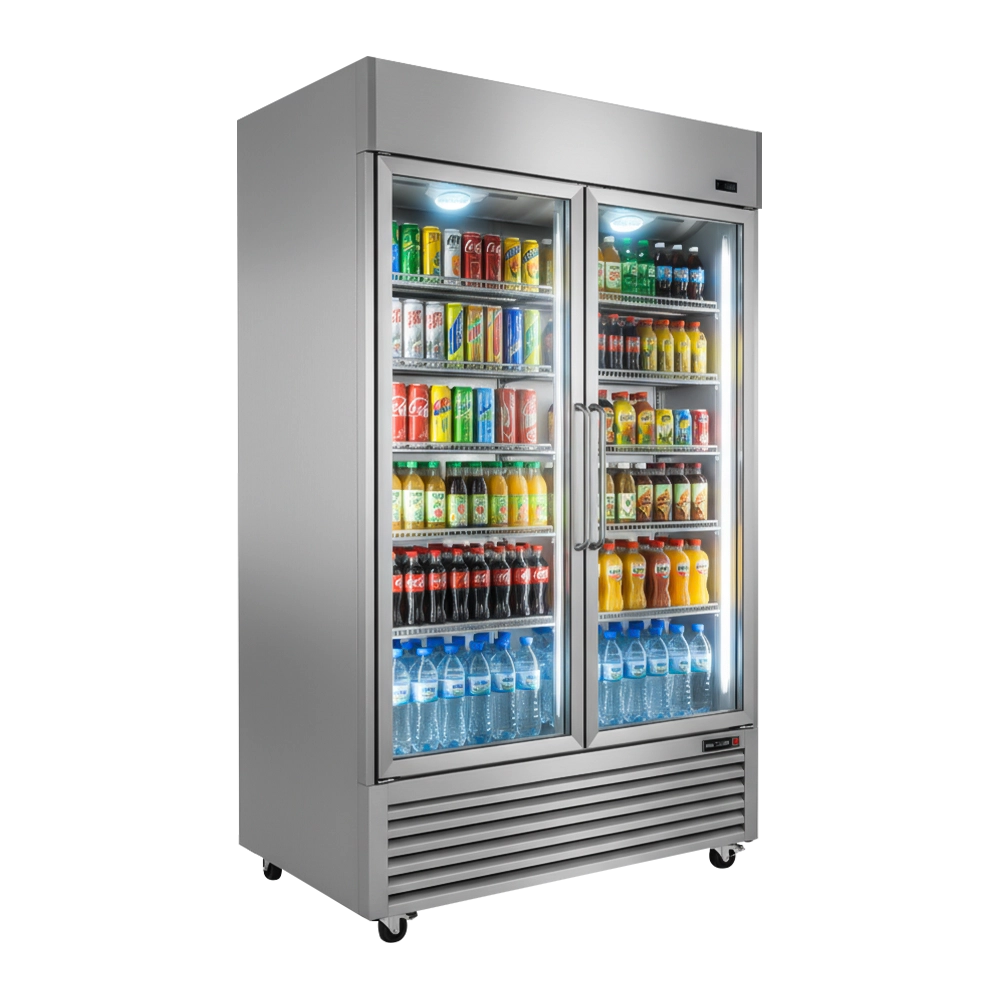
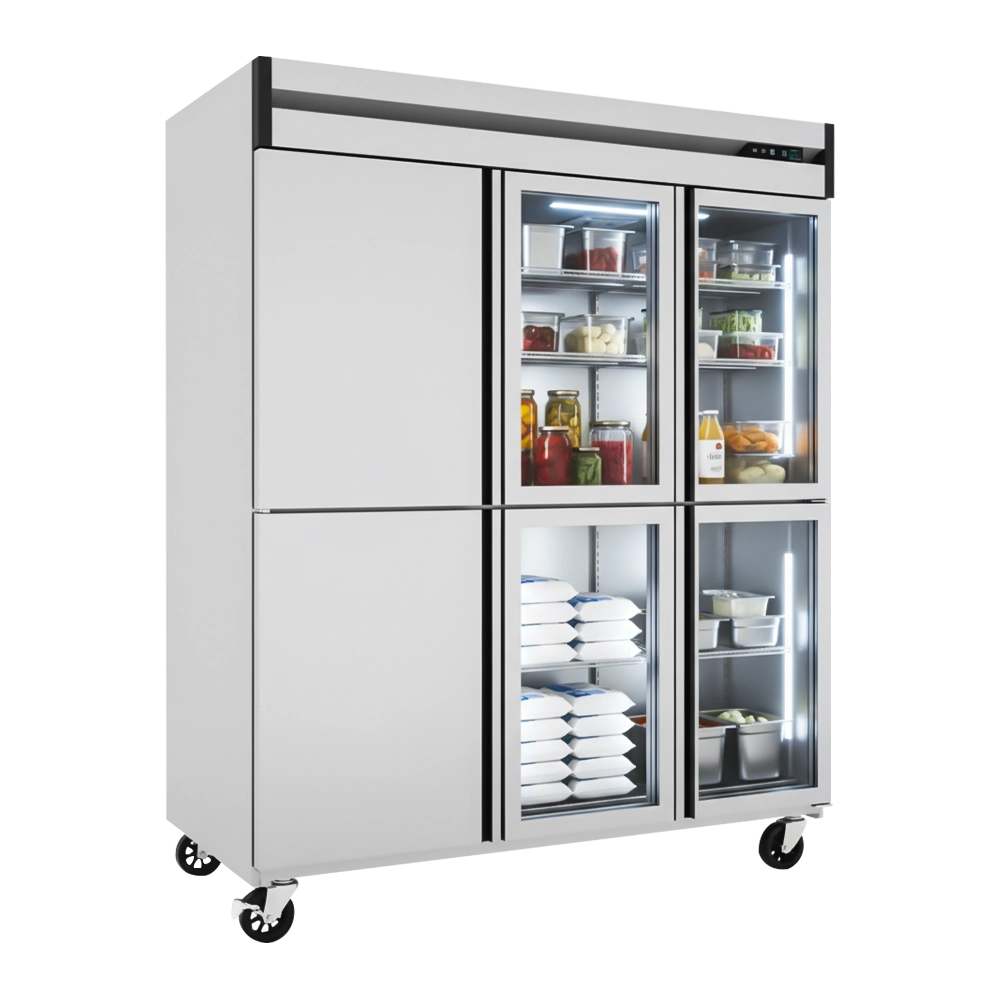
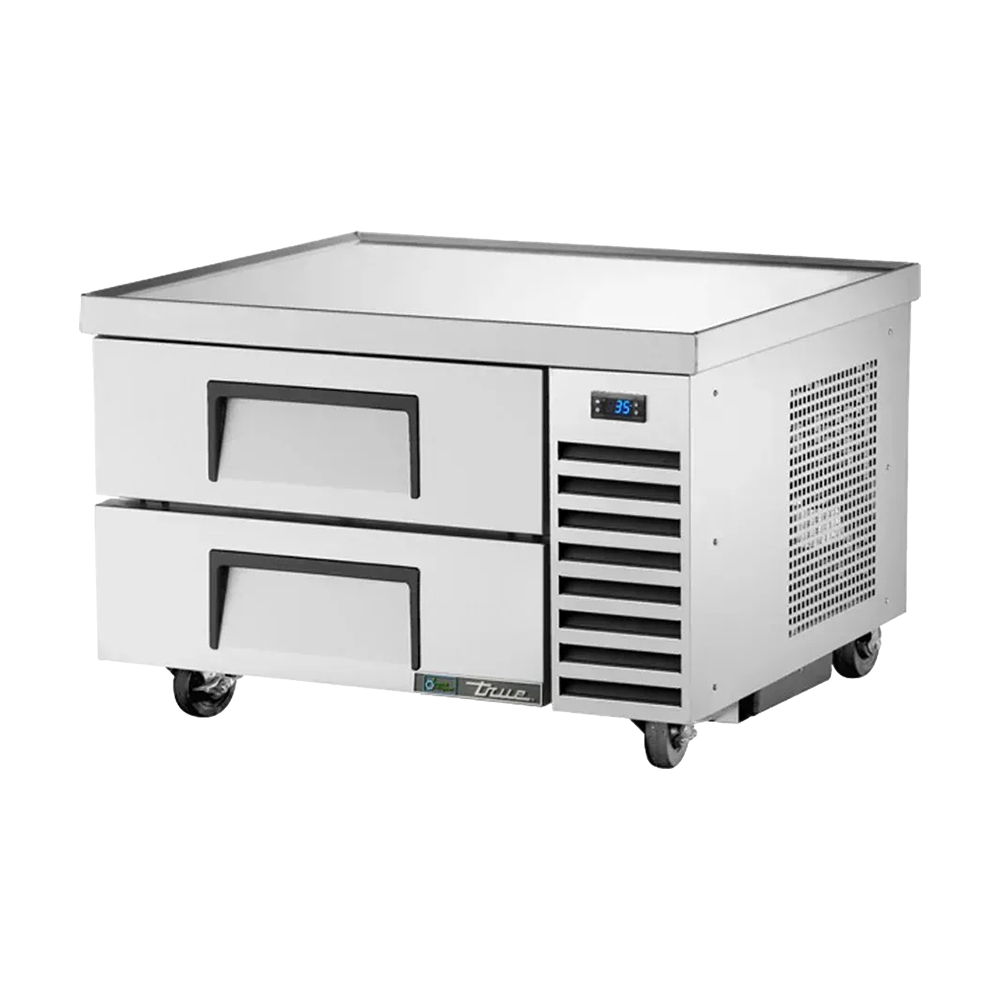
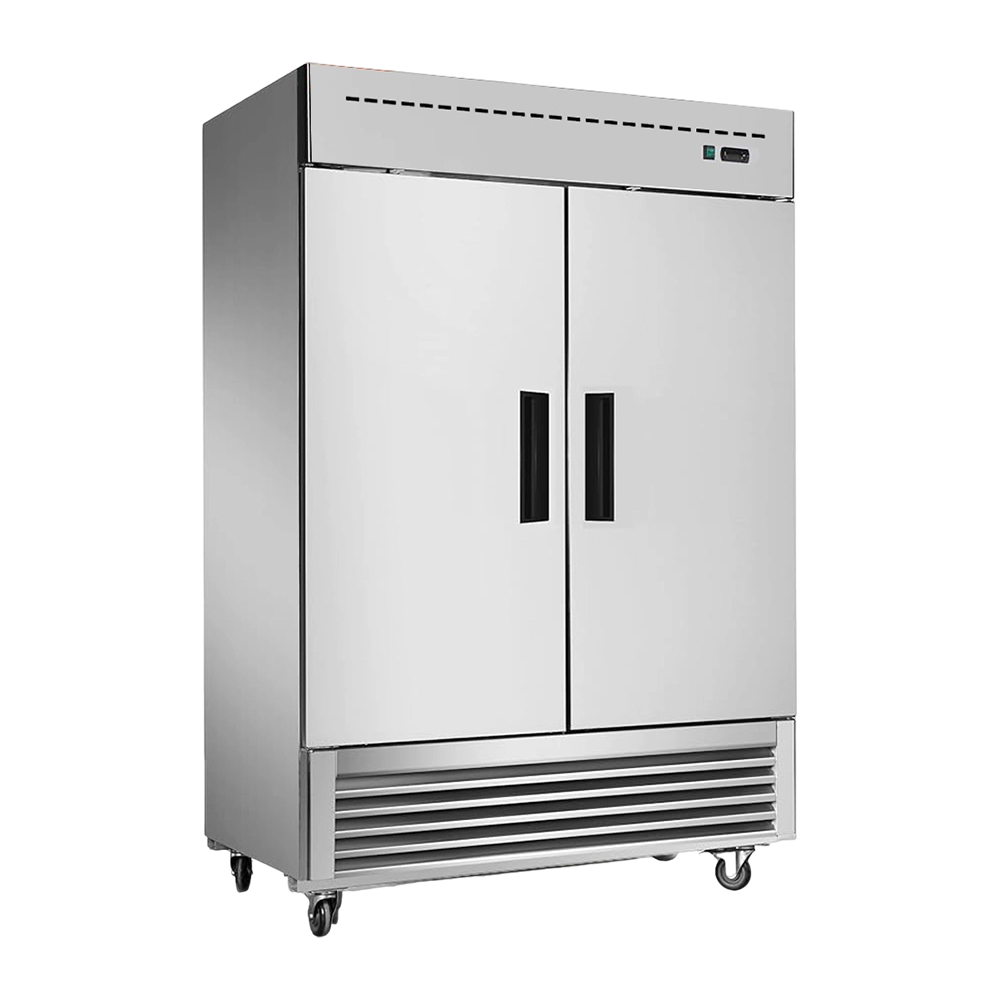
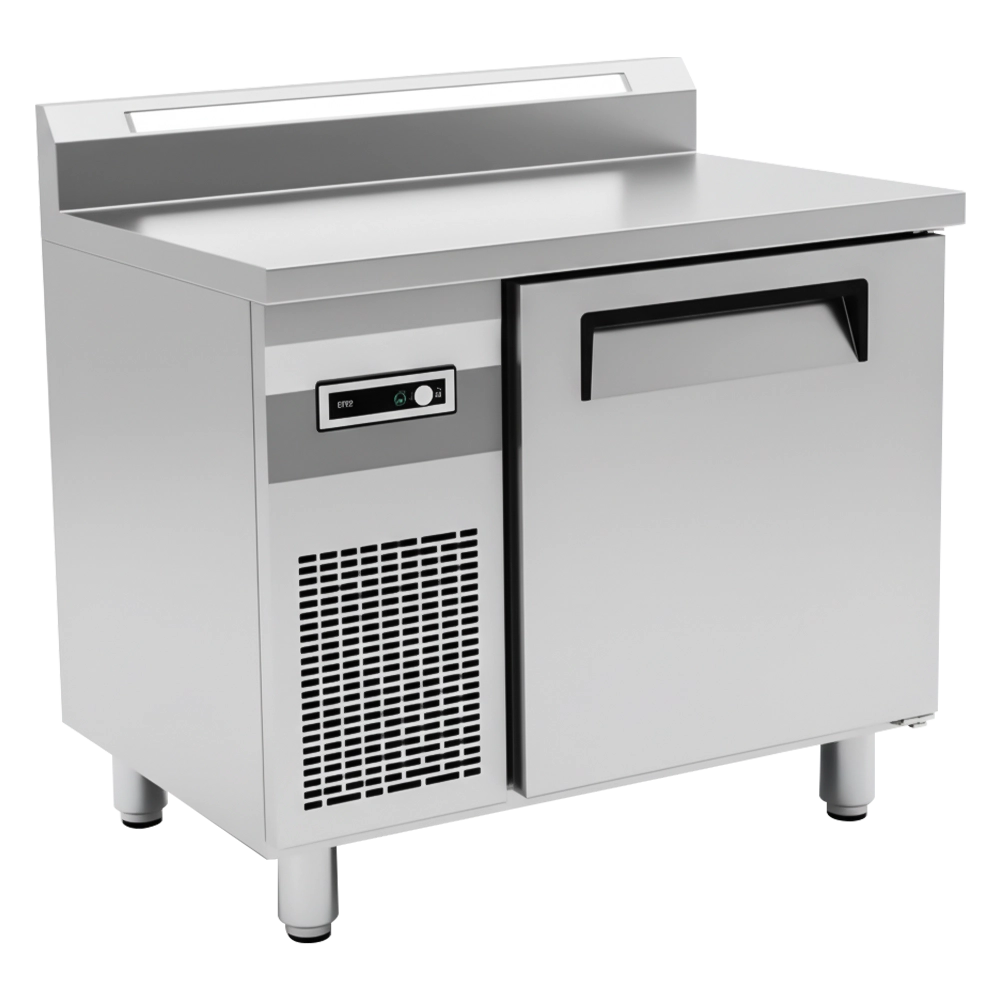
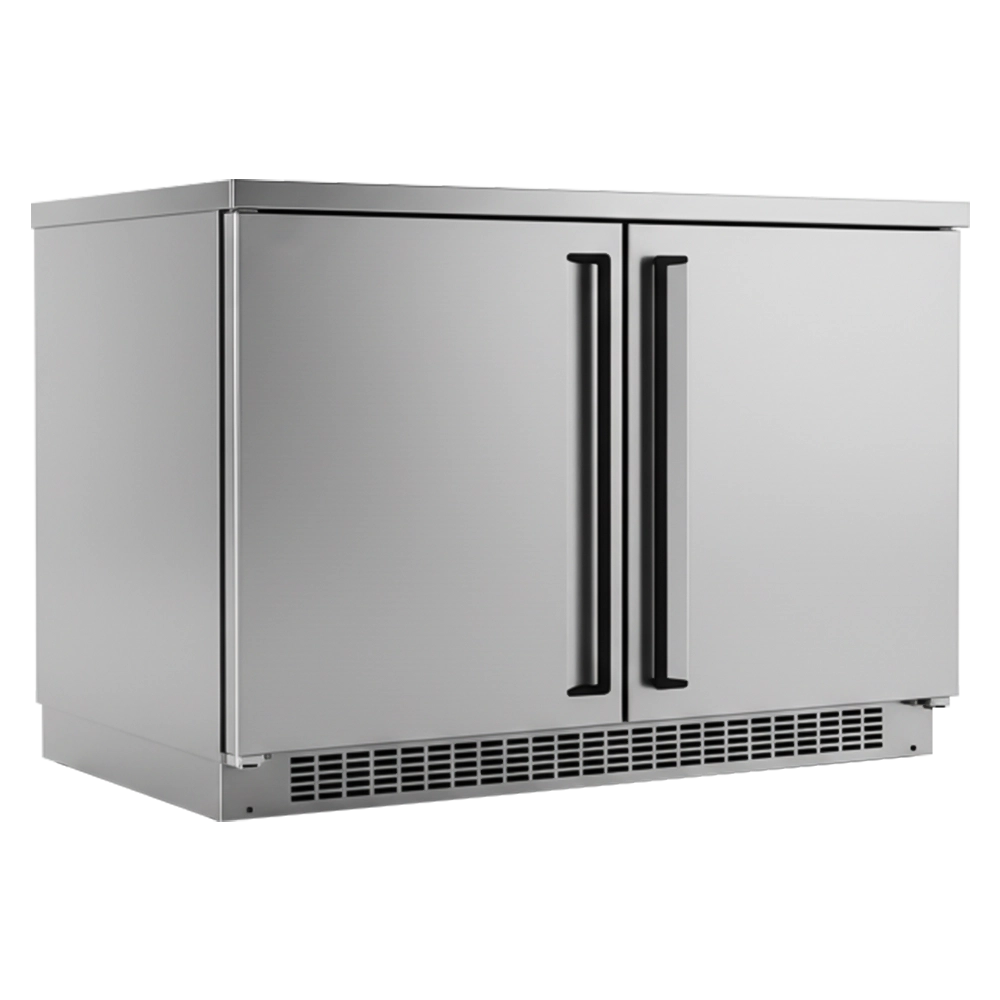
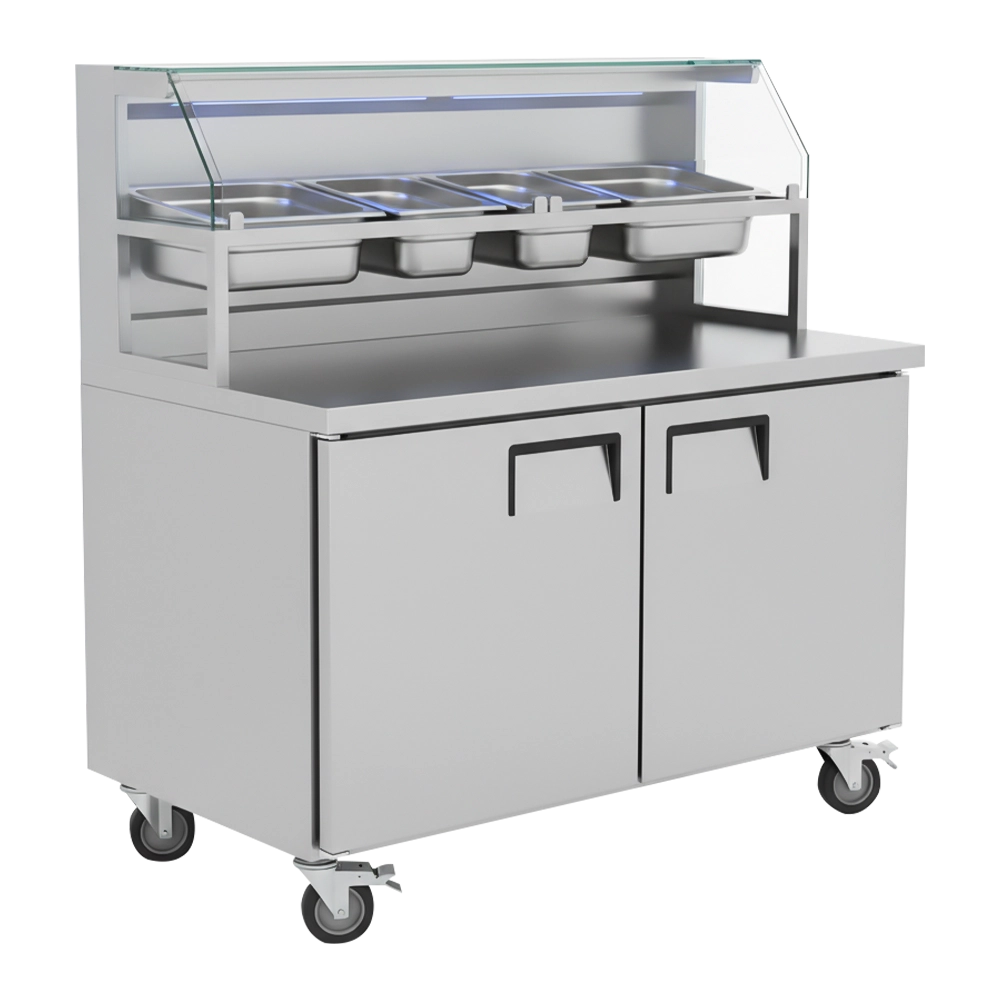
Commercial refrigerators come in various types to suit the diverse needs of hotels and restaurants. Reach-in refrigerators are a staple in most kitchens, offering easy access to frequently used ingredients. Undercounter units save space and keep essentials within arm’s reach during food prep. Walk-in coolers are ideal for bulk storage, especially in high-volume operations. Display refrigerators help showcase beverages, desserts, or grab-and-go items to customers. Prep table refrigerators combine cold storage with work surfaces for salads, pizzas, and sandwiches. Bar refrigerators are compact and perfect for storing drinks and garnishes. Blast chillers rapidly cool cooked food to safe temperatures, preserving freshness. Each type plays a vital role in maintaining food safety and operational efficiency.
HorecaStore is a trusted name in the commercial kitchen industry, offering a curated selection of high-quality equipment from leading global brands. We understand the unique needs of hotels, restaurants, and catering businesses, providing reliable, energy-efficient solutions tailored for professional use. Robust warranties and exceptional after-sales support back our products support to ensure long-term performance. With over 5,000 satisfied clients, we pride ourselves on fast delivery, competitive pricing, and expert guidance every step of the way. Whether you're outfitting a new kitchen or upgrading existing appliances, HorecaStore is your dependable partner. Our dedicated team ensures seamless procurement and personalized service. Choose HorecaStore for quality, reliability, and industry expertise you can count on.
Wide Brand Selection: We work directly with top manufacturers like True, Atosa, Beverage-Air, and Turbo Air to offer a full range of commercial refrigeration options suited for every kitchen layout.
Competitive Pricing: Our direct partnerships allow us to offer unbeatable prices on bar coolers, reach-ins, prep tables, and more—no middlemen, just real value.
Fast & Reliable Delivery: We ensure timely delivery of refrigeration units to major cities, helping you avoid downtime and keep operations moving without delay.
Energy-Efficient Equipment: Our refrigeration units are built to minimize power consumption while maintaining powerful cooling—helping you save on energy bills without sacrificing performance.
Built for High-Demand Use: Designed to withstand the pressures of busy commercial kitchens, our units combine rugged construction with user-friendly features for long-lasting daily performance.
Q. What are the best commercial refrigerators for small restaurants?
Answer- The best commercial refrigerators for small restaurants come from trusted brands like Atosa, Beverage-Air, True Refrigeration, Arctic Air, Turbo Air, Dukers, Chillcore Series, Cooledge Series, Icevault Series, Serv-Ware, Platinum Frost Series, Hoshizaki America, Medal Equipment, and ChefPro Series. These brands are known for reliability, efficient cooling, and space-saving designs that are ideal for compact restaurant kitchens.
Q. Where to buy energy-efficient commercial refrigerators near me
Answer- You can buy energy-efficient commercial refrigerators near you from The HorecaStore, which offers a wide selection of models designed for lower power consumption and reliable performance. Their catalog includes trusted refrigeration brands suitable for restaurants, cafés, and hotels. With nationwide delivery, you can quickly get units that meet Energy Star and commercial standards. The HorecaStore also provides warranty-backed products and clear specifications to help you choose the right unit. It's a dependable option for businesses looking to reduce energy costs without compromising cooling efficiency.
Q. What are the top-rated commercial refrigerators with glass doors?
Answer- Top-rated commercial refrigerators with glass doors come from trusted brands like Dukers, Beverage-Air, and Arctic Air. These brands are known for bright interior visibility, reliable temperature control, and durable commercial construction. Their glass-door units are ideal for restaurants, cafes, and retail setups that need easy product display. Many models offer energy-efficient cooling systems and strong shelving for daily use. They provide dependable performance while enhancing product presentation.
Q. How to choose the right commercial refrigerator for a bakery
Answer- When choosing a commercial refrigerator for a bakery, consider models from BakeMax and Dukers because they deliver consistent temperature control and reliable cooling essential for dough, pastry, and ingredient storage. Look for units with stable humidity and plenty of shelving to organize trays and ingredients efficiently. Opt for glass-door or reach-in types for easy visibility of inventory.
Q. What are the energy-saving commercial refrigerators for large kitchens?
Answer- Energy-saving commercial refrigerators for large kitchens come from brands like Beverage-Air and Dukers. These units offer efficient cooling systems, stable temperature control, and durable construction suited for high-volume operations. Many models feature Energy Star–rated components to help reduce electricity costs. Their spacious interiors and strong shelving make them ideal for busy commercial kitchens. Overall, they deliver reliable, cost-efficient refrigeration performance.
Q. What is a commercial refrigerator?
Answer- A commercial refrigerator is heavy-duty refrigeration equipment designed for restaurants, hotels, cafés, bakeries, and foodservice operations that require reliable, continuous cooling.
Q. How is a commercial refrigerator different from a residential refrigerator?
Answer- Commercial refrigerators are built with stronger compressors, higher storage capacity, faster temperature recovery, and durable materials to handle frequent door openings.
Q. What types of commercial refrigerators are available?
Answer- Common types include reach-in refrigerators, undercounter refrigerators, worktop refrigerators, prep refrigerators, and display refrigerators.
Q. What size commercial refrigerator do I need?
Answer- The right size depends on kitchen space, storage volume, menu requirements, and daily usage. Measuring available space and estimating inventory is essential.
Q. What temperature should a commercial refrigerator maintain?
Answer- Most commercial refrigerators operate between 34°F and 40°F to safely store perishable foods.
Q. Are commercial refrigerators energy efficient?
Answer- Many modern commercial refrigerators are designed to be energy efficient, helping reduce electricity costs while maintaining consistent cooling performance.
Q. What is a reach-in commercial refrigerator?
Answer- A reach-in refrigerator is an upright unit with one or more doors that allows easy access to chilled ingredients in busy commercial kitchens.
Q. What is an undercounter commercial refrigerator used for?
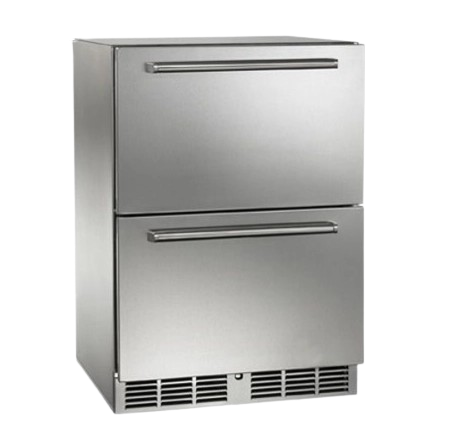
Answer- Undercounter refrigerators fit beneath counters, providing convenient cold storage in tight kitchen spaces, bars, and food prep areas.
Q. Do commercial refrigerators require special electrical connections?
Answer- Some commercial refrigerators may require dedicated outlets or specific voltage requirements. Always check electrical specifications before purchasing.
Q. Are commercial refrigerators suitable for restaurants and cafés?
Answer- Yes, they are specifically designed to meet the demands of restaurants, cafés, bakeries, hotels, and catering businesses.
Q. How often should a commercial refrigerator be cleaned?
Answer- Interior surfaces should be cleaned weekly, while condenser coils should be inspected and cleaned every few months for optimal performance.
Q. What materials are commercial refrigerators made from?
Answer- Most commercial refrigerators feature stainless steel interiors and exteriors for durability, hygiene, and easy cleaning.
Q. Do commercial refrigerators come with a warranty?
Answer- Yes, most commercial refrigerators include manufacturer warranties that cover parts and compressors for a specified period.
Q. How long does a commercial refrigerator last?
Answer- With proper maintenance, a commercial refrigerator can last 10–15 years or longer, depending on usage and operating conditions.
Q. Is a commercial refrigerator worth the investment?
Answer- Yes, commercial refrigerators offer consistent cooling, higher capacity, and long-term durability, making them essential for professional foodservice operations.
Popular Searches