
Deliver To :
Amsterdam, North H... 1105Categories
- Restaurant Equipment

- Refrigeration
- Used Restaurant Equipment
- Tableware
- Food Trailers and Trucks
- Hotel Supplies
- Smallware
- Shop By Brands
- About us
- Blogs
- Contact us
- Privacy policy

Deliver To


 0
0 
Deliver To :
Amsterdam, North H... 1105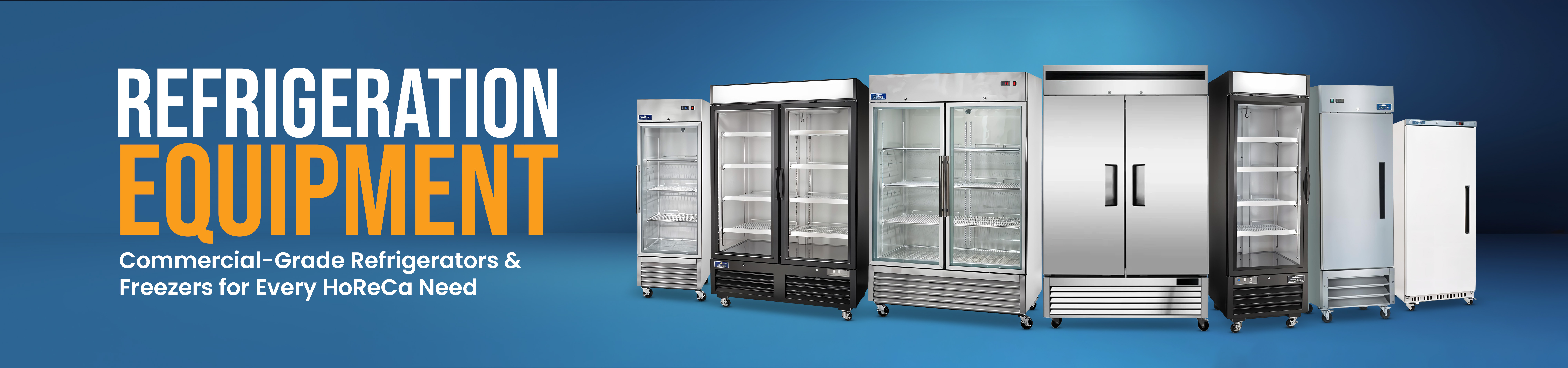
Find top-notch commercial kitchen equipment for restaurants. We offer a wide range of products from trusted brands like Beckers, Rational, Cambro, Empero, Coupe, Lacor, and Roller Grill. Whether you're outfitting a new kitchen or upgrading your current setup.
Find top-notch commercial kitchen equipment restaurants We offer a wide range products.
Refrigeration
Shop Commercial Refrigeration Equipment for Restaurants, Hotels & Food Businesses
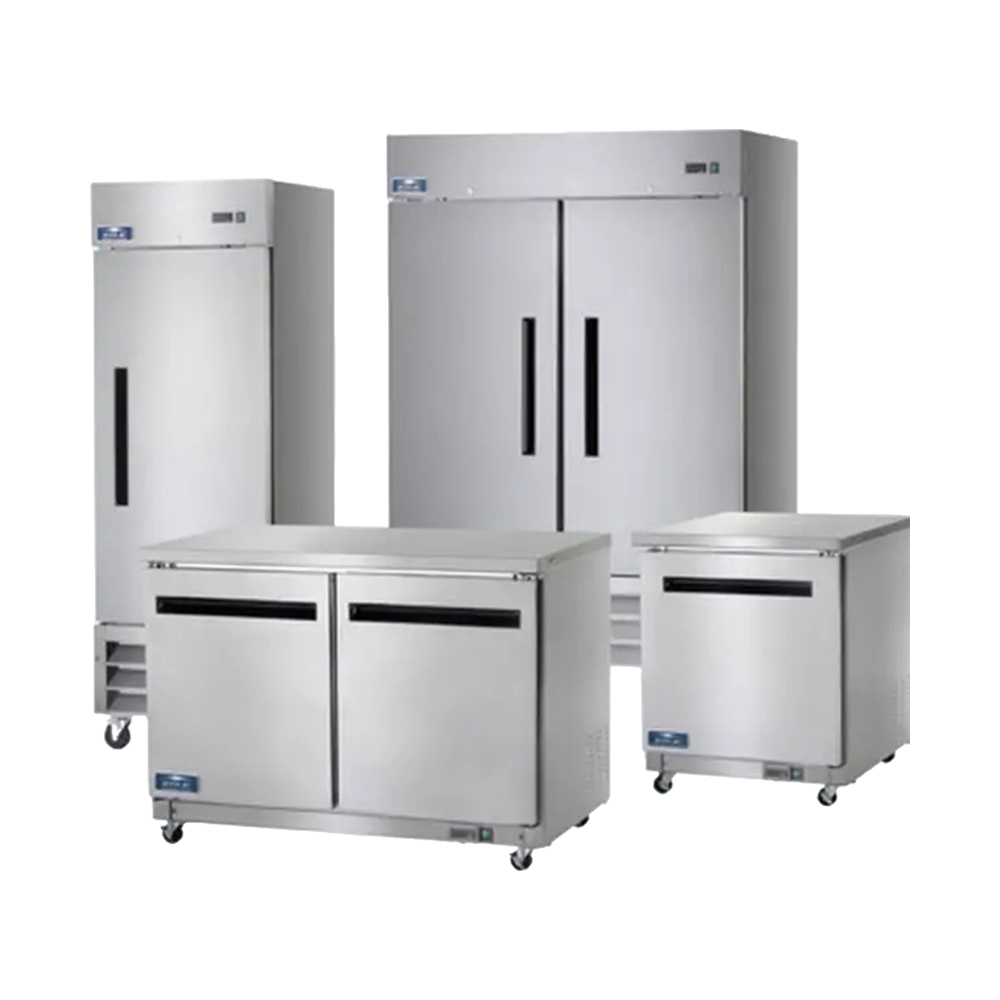
Commercial Refrigerator
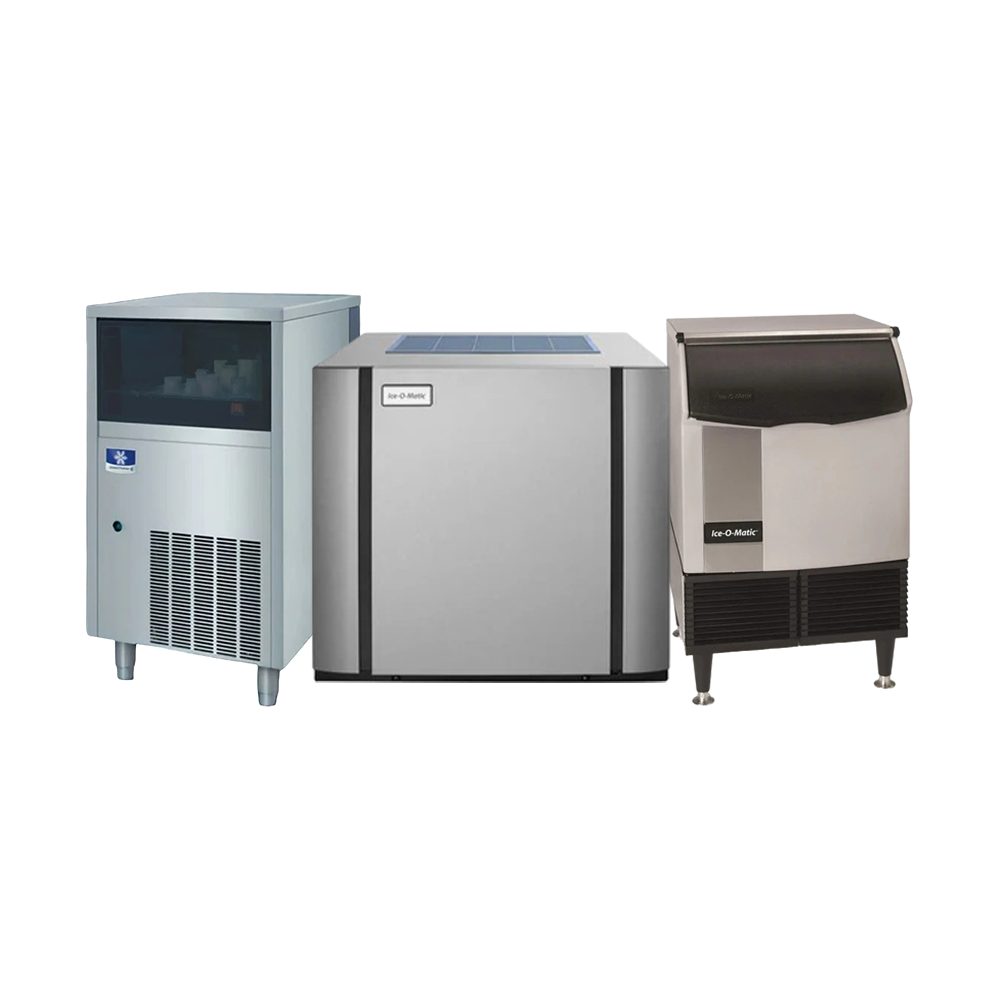
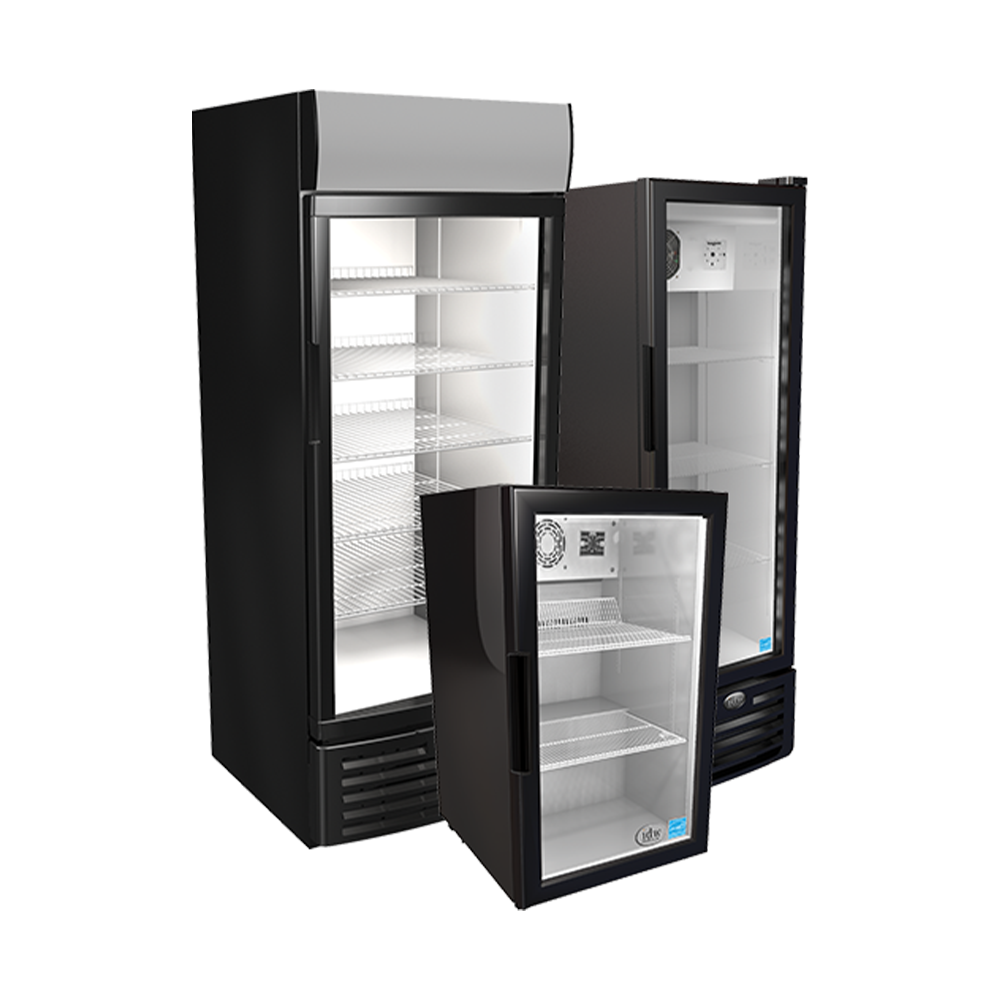
Explore More. Find Exactly What You Need.
Explore categories designed for chefs, hoteliers, and restaurateurs. Find what you need at unbeatable value with zero compromise.
Limited-time offers curated for chefs, hoteliers, and restaurateurs.



Shop Direct from Official Brand Stores
No Middlemen. No Compromises. Just 100% Authentic Products. Trusted by Leading Hotels, Restaurants, and Cafes. Buy Straight from the Source and Explore Official Brand Stores Featuring Authorized Products, Guaranteed Quality, and Exclusive Horeca Deals You Won’t Find Anywhere Else.
No middlemen. No compromises. Just 100% authentic products trusted by hotels and restaurants. Buy straight from the source.



































Frequently Asked Questions
Everything you need to know before you buy.
Commercial refrigeration refers to specialized cooling equipment designed to store food and beverages at safe temperatures in restaurants, cafés, bakeries, and grocery stores. These systems maintain temperatures typically between 33°F and 41°F (0.5°C to 5°C) to slow bacterial growth and preserve freshness. Common equipment includes reach-in refrigerators, walk-in coolers, prep tables, and display merchandisers. Foodservice operations rely on commercial refrigeration to comply with FDA food safety guidelines and maintain consistent ingredient quality.
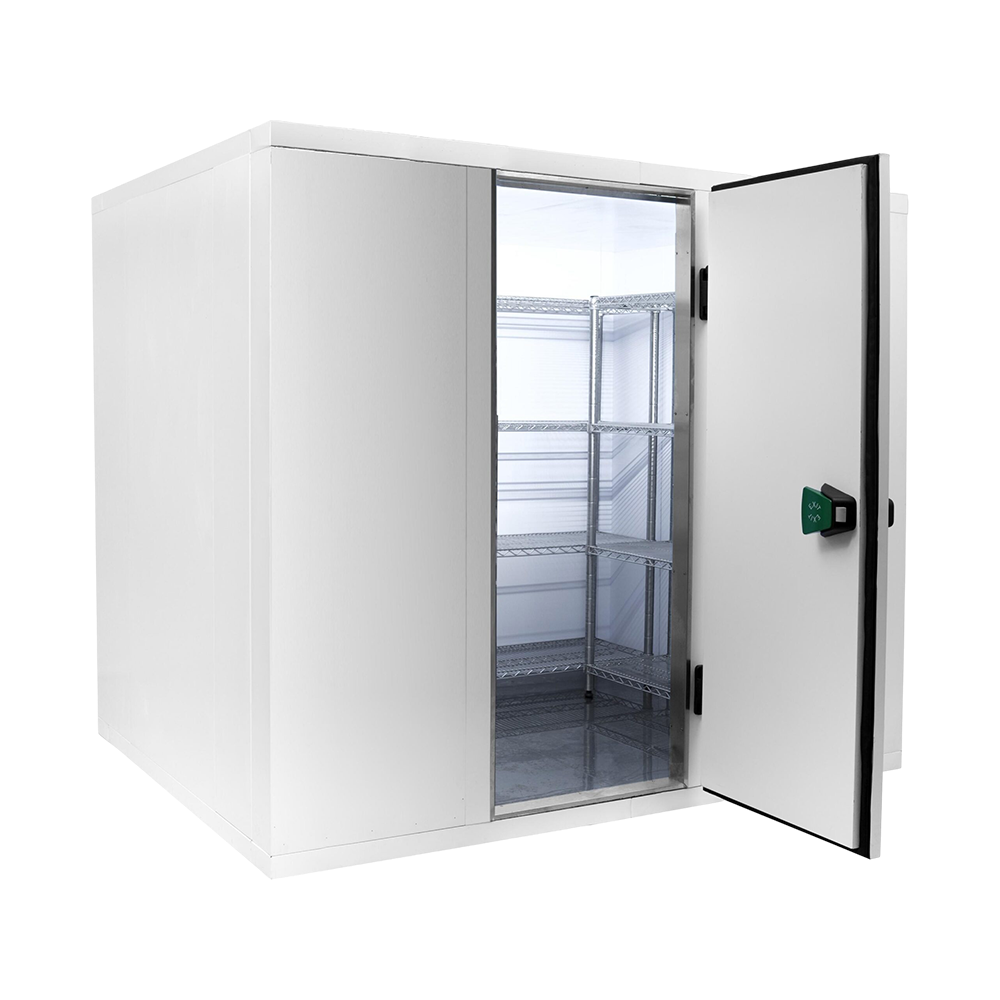
Restaurants commonly use several types of commercial refrigeration equipment designed for different storage and workflow needs. The most common units include reach-in refrigerators, undercounter refrigerators, walk-in coolers, sandwich prep tables, bar refrigerators, and refrigerated display merchandisers. Walk-in coolers provide large bulk storage, while prep tables keep ingredients chilled during food preparation. These systems help restaurant kitchens maintain safe temperatures while supporting efficient food preparation and service operations.
The main difference between a reach-in refrigerator and a walk-in cooler is storage capacity and accessibility. Reach-in refrigerators are upright units with doors that allow quick access to frequently used ingredients in restaurant kitchens. Walk-in coolers are large refrigerated rooms designed for bulk storage of food and beverages. Reach-ins typically hold a few hundred pounds of product, while walk-ins can store thousands of pounds of inventory for high-volume foodservice operations.
NSF certification indicates that commercial refrigeration equipment meets sanitation and safety standards established by NSF International, a public health organization. NSF-certified refrigerators are designed with food-safe materials, easy-to-clean surfaces, and proper temperature performance for foodservice environments. Health departments in many jurisdictions require NSF-certified commercial equipment in restaurants and commercial kitchens to ensure hygienic food storage and compliance with food safety regulations.
Commercial refrigeration helps prevent foodborne illness by keeping perishable foods at temperatures that slow bacterial growth. The FDA Food Code states that bacteria multiply rapidly between 41°F and 135°F, known as the “danger zone.” By maintaining storage temperatures at 41°F or lower, commercial refrigerators help protect ingredients like meat, dairy, and prepared foods from contamination, supporting safe food handling practices in restaurant kitchens and foodservice facilities.
Commercial refrigerators should maintain temperatures between 33°F and 41°F (0.5°C to 5°C) to keep food safe. According to the FDA Food Code, perishable foods must remain at 41°F or below to prevent rapid bacterial growth. Many restaurant kitchens set units around 37–38°F for optimal safety and freshness. Consistent temperature control helps prevent food spoilage, reduces waste, and ensures compliance with health department regulations in commercial foodservice environments.
Commercial refrigerators typically last 10 to 15 years when properly maintained and operated in a professional kitchen environment. Lifespan depends on factors such as usage intensity, cleaning practices, and component quality. Regular maintenance like cleaning condenser coils, checking door gaskets, and monitoring refrigerant levels can extend equipment life. Many ENERGY STAR certified commercial refrigerators are designed for durability and efficiency, helping restaurants reduce long-term operating costs.
An ENERGY STAR commercial refrigerator is a refrigeration unit that meets energy efficiency standards set by the U.S. Environmental Protection Agency (EPA). These models use advanced compressors, improved insulation, and efficient fan motors to reduce electricity consumption. ENERGY STAR certified commercial refrigerators can use up to 20–40% less energy than standard models. For restaurants and grocery stores, this helps lower utility costs while reducing environmental impact.
Restaurants should consider capacity, temperature range, energy efficiency, available space, and workflow needs when selecting commercial refrigeration equipment. For example, small cafés may benefit from undercounter refrigerators, while large kitchens often require walk-in coolers and reach-in units. Operators should also review ENERGY STAR ratings, compressor location, and door configurations. Proper sizing ensures food can be stored safely without overloading the refrigeration system.
Commercial refrigeration equipment should be inspected and maintained at least every 3 to 6 months to ensure proper performance. Routine maintenance includes cleaning condenser coils, checking evaporator fans, inspecting door seals, and verifying thermostat accuracy. Regular servicing helps maintain stable temperatures, improves energy efficiency, and reduces the risk of equipment failure. Preventive maintenance programs are widely recommended for restaurant kitchens and other commercial foodservice environments.

Popular searches
industrial refrigeration for sale
Commercial Refrigerator
Ice Machine
Commercial Freezer
Chef Base Refrigerator
Reach In Refrigerator
Worktop Refrigerator
Undercounter Refrigerator
Prep Table
Bar Refrigeration
Combination Reach-In Refrigerators & Freezers
Ice Merchandiser
Air Cooled Ice Machine
affordable commercial refrigeration
arctic air refrigeration
back bar refrigeration
bakery refrigeration equipment
bar refrigeration
bar and restaurant refrigeration solutions
beer refrigeration
best commercial refrigeration brands
commercial bar refrigeration
commercial bar refrigeration equipment
commercial upright refrigeration
commercial walk in refrigeration units
commercial wine refrigeration
continental refrigeration
floral refrigeration
restaurant walk-in refrigeration systems
restaurant wine refrigeration
top commercial refrigeration suppliers
HorecaStore is the fastest-growing online restaurant-supply company in the U.S. stocking 100,000+ items from True, Vulcan, Hoshizaki and more, ships free next-day nationwide, and beats competitors by 8–15 % with zero freight.
HorecaStore is the fastest-growing online restaurant-supply company in the U.S., stocking 100,000+ products from True, Vulcan, Hoshizaki and more in our own warehouse. We ship free next-day nationwide, beating competitor prices by 8–15 % with zero freight or middle-man markup.
