
Deliver To :
Amsterdam, North H... 1105Categories
- Restaurant Equipment

- Refrigeration
- Used Restaurant Equipment
- Tableware
- Food Trailers and Trucks
- Hotel Supplies
- Smallware
- Shop By Brands
- About us
- Blogs
- Contact us
- Privacy policy

Deliver To


 0
0 
Deliver To :
Amsterdam, North H... 1105Pizza Trailer
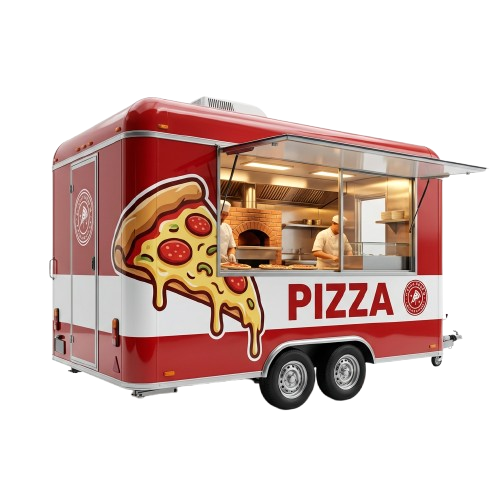
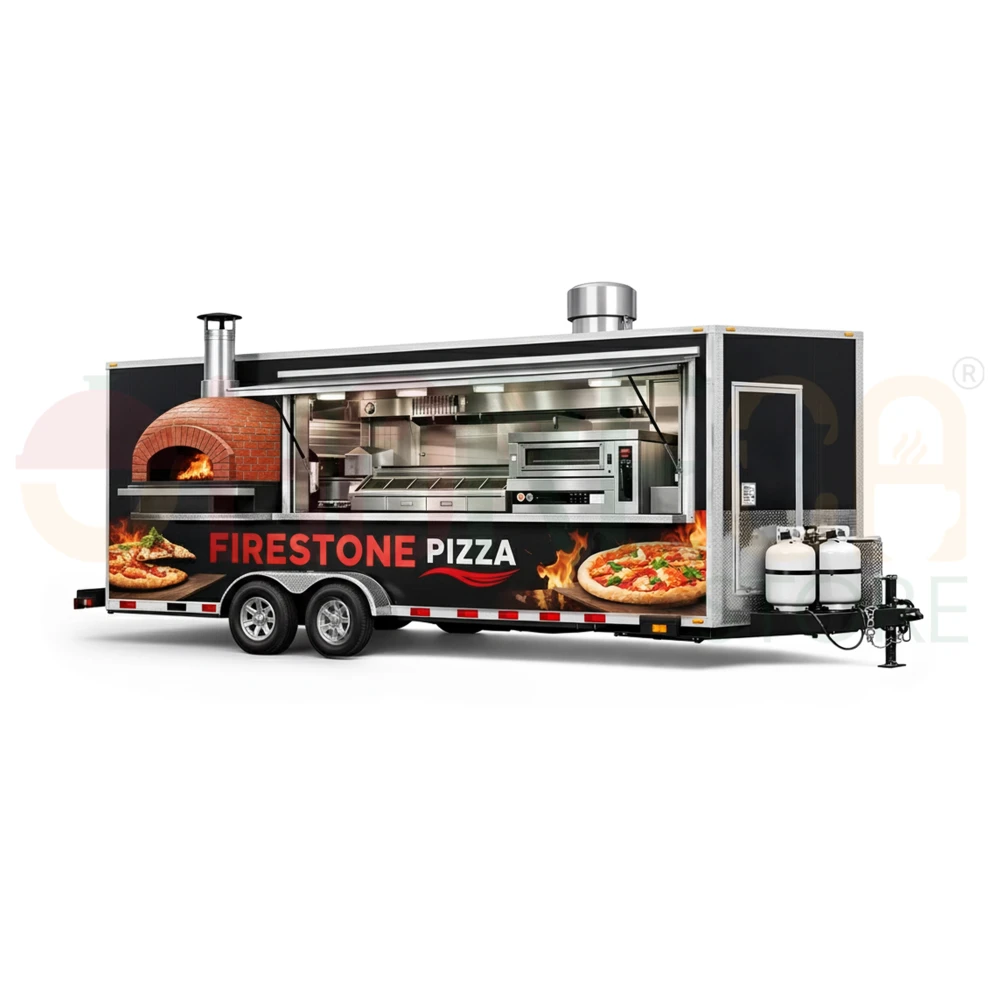
Pizza trailers designed with optimized oven placement and prep space for fast, consistent pizza production.

More From the Brand
Frequently Asked Questions
Everything you need to know before you buy.
A pizza trailer is a mobile foodservice unit designed specifically for preparing and selling pizza. It is typically equipped with commercial pizza ovens, refrigerated prep tables, dough preparation areas, sinks, and ventilation systems. Pizza trailers are commonly used by restaurants, caterers, and mobile food businesses because they allow pizza production in locations without a permanent kitchen. Most models range from 10 to 24 feet in length and must comply with local health department and FDA food safety guidelines.
The best pizza trailer size for a small pizza business usually ranges between 12 and 16 feet in length. These trailers provide enough space for a pizza oven, refrigeration, prep tables, and basic storage while remaining easy to tow and park. A 14-foot pizza trailer typically allows one to two staff members to operate efficiently and can produce around 40–60 pizzas per hour depending on the oven capacity and workflow.
Yes, pizza trailers generally require approval from local health departments before operating. Most jurisdictions in the United States require compliance with FDA Food Code standards, including proper handwashing sinks, food storage temperatures, wastewater tanks, and NSF-certified food equipment. Health inspections typically verify sanitation practices, refrigeration temperatures below 40°F, and proper ventilation systems to ensure safe food preparation in a mobile environment.
A well-maintained commercial pizza trailer typically lasts 10 to 20 years depending on build quality, materials, and usage frequency. Trailers built with stainless steel interiors, aluminum frames, and NSF-certified equipment tend to have longer lifespans. Regular maintenance of refrigeration systems, ventilation, plumbing, and electrical components can significantly extend operational life and ensure compliance with local food safety regulations.
A pizza trailer can typically produce between 40 and 120 pizzas per hour depending on the oven type, staff size, and workflow efficiency. Wood-fired ovens usually cook one to three pizzas at a time in about 90 seconds, while conveyor ovens can produce higher volumes continuously. Production capacity also depends on dough preparation speed, topping stations, and refrigeration accessibility within the trailer layout.
A pizza trailer typically includes essential commercial kitchen equipment required to prepare and cook pizza efficiently. Common components include a commercial pizza oven (gas, wood-fired, or electric), refrigerated prep tables, dough mixers, handwash sinks, three-compartment sinks, ventilation hoods, and food storage units. Many trailers also include NSF-certified stainless steel work surfaces and refrigeration systems that maintain temperatures below 40°F to comply with food safety regulations.
Pizza trailers commonly use wood-fired ovens, gas deck ovens, or electric conveyor ovens depending on the menu and production volume. Wood-fired ovens can reach temperatures between 700°F and 900°F, allowing Neapolitan-style pizzas to cook in about 60–90 seconds. Gas and electric ovens are more consistent for commercial operations and often maintain cooking temperatures between 500°F and 650°F for reliable pizza production in mobile kitchens.
A pizza trailer typically requires between 30 and 100 amps of electrical power depending on the equipment installed. Electric pizza ovens, refrigeration units, lighting, and ventilation systems are the primary power consumers. Some trailers use shore power connections at event sites, while others rely on commercial generators producing 5,000 to 12,000 watts. Power requirements must meet local electrical safety codes and commercial kitchen equipment specifications.
Operating a pizza trailer usually requires several permits including a mobile food vendor license, health department permit, and local business registration. In many U.S. states, operators must also follow FDA Food Code standards and may need fire safety inspections if using gas or wood-fired ovens. Some cities additionally require commissary kitchen agreements for food storage, water supply, and waste disposal management.
A pizza trailer allows pizza production in locations where a permanent restaurant kitchen is not available. Mobile pizza units can operate at events, festivals, construction sites, and street locations, providing flexibility for foodservice businesses. Compared with building a traditional restaurant kitchen, pizza trailers typically require lower startup costs, faster setup times, and fewer infrastructure requirements while still using commercial-grade cooking equipment.

Popular searches
HorecaStore is the fastest-growing online restaurant-supply company in the U.S. stocking 100,000+ items from True, Vulcan, Hoshizaki and more, ships free next-day nationwide, and beats competitors by 8–15 % with zero freight.
HorecaStore is the fastest-growing online restaurant-supply company in the U.S., stocking 100,000+ products from True, Vulcan, Hoshizaki and more in our own warehouse. We ship free next-day nationwide, beating competitor prices by 8–15 % with zero freight or middle-man markup.
