
Deliver To :
Frankfurt am Main, Hesse... 60327Categories
- Restaurant Equipment

- Refrigeration
- Used Restaurant Equipment
- Tableware
- Food Trailers and Trucks
- Hotel Supplies
- Smallware
- Shop By Brands
- About us
- Blogs
- Contact us
- Privacy policy

Deliver To


 0
0 
Deliver To :
Frankfurt am Main, Hesse... 60327Commercial Freezer
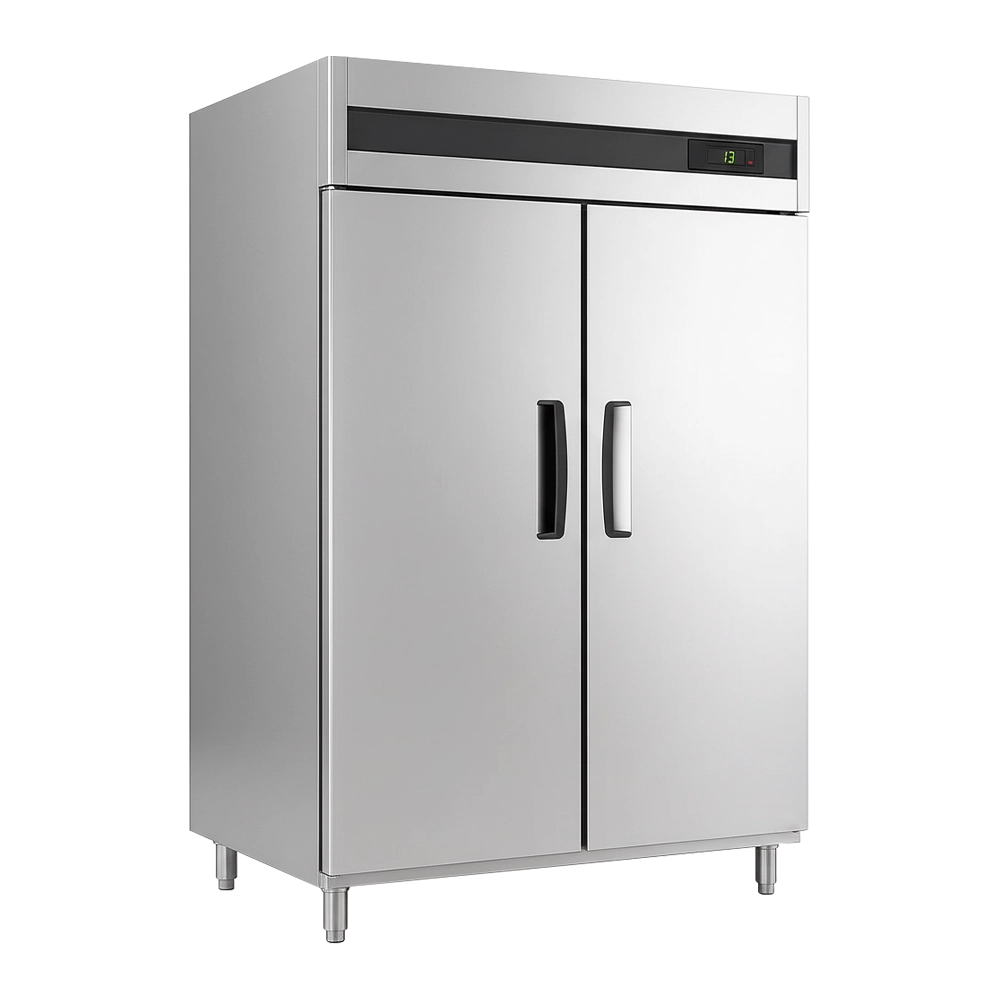
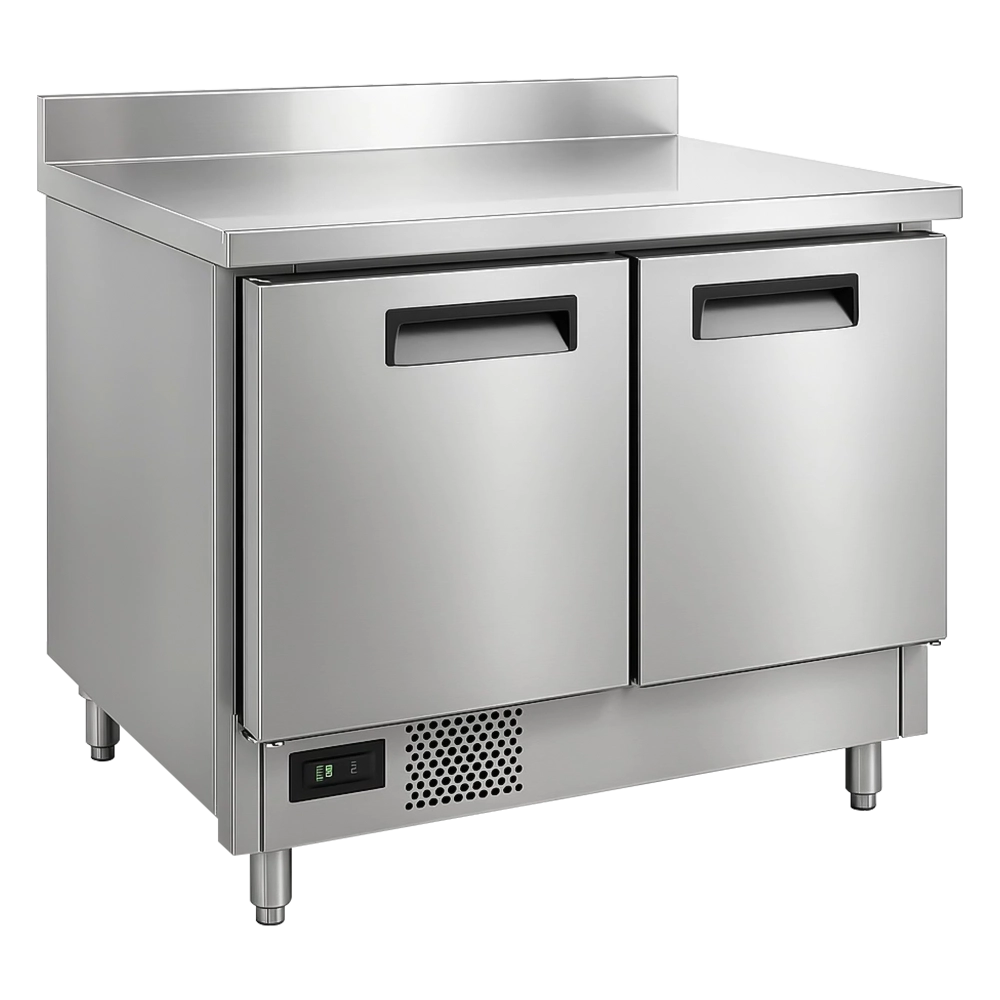
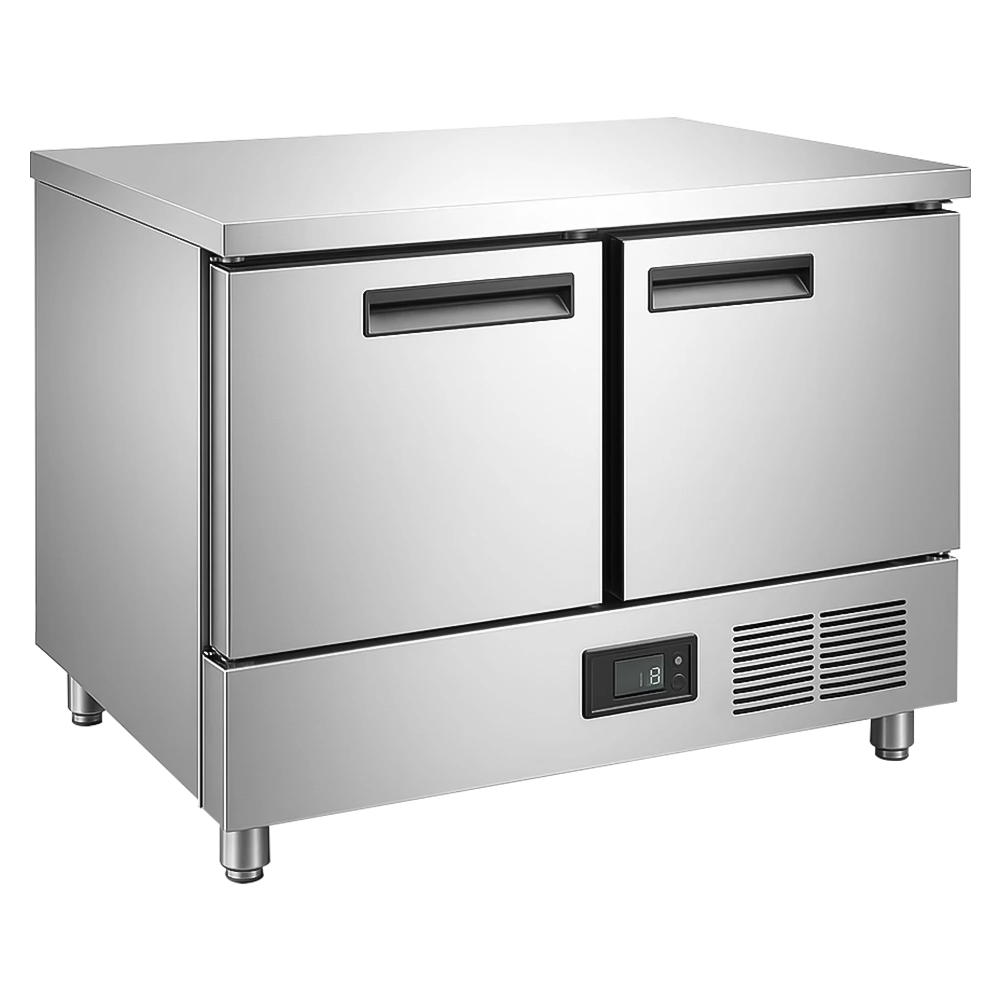
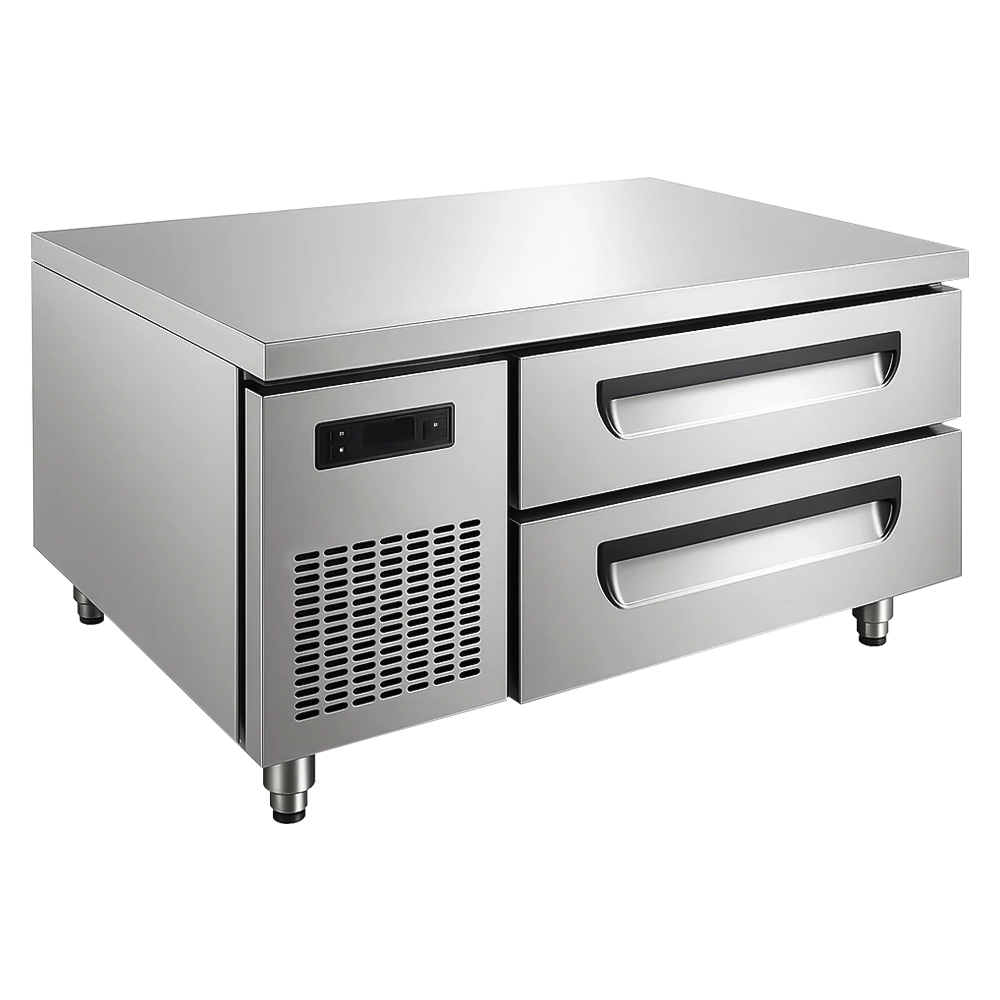
Lock in freshness with heavy-duty commercial freezers for hotels and catering.

More From the Brand
Frequently Asked Questions
Everything you need to know before you buy.
A commercial freezer is a refrigeration appliance designed to store food at sub-zero temperatures in restaurants, cafés, bakeries, and grocery stores. These units typically maintain temperatures between -10°F and 0°F (-23°C to -18°C) to prevent bacterial growth and preserve frozen food quality. Commercial freezers are commonly used for storing meats, seafood, frozen vegetables, and prepared foods in restaurant kitchens and other foodservice environments.
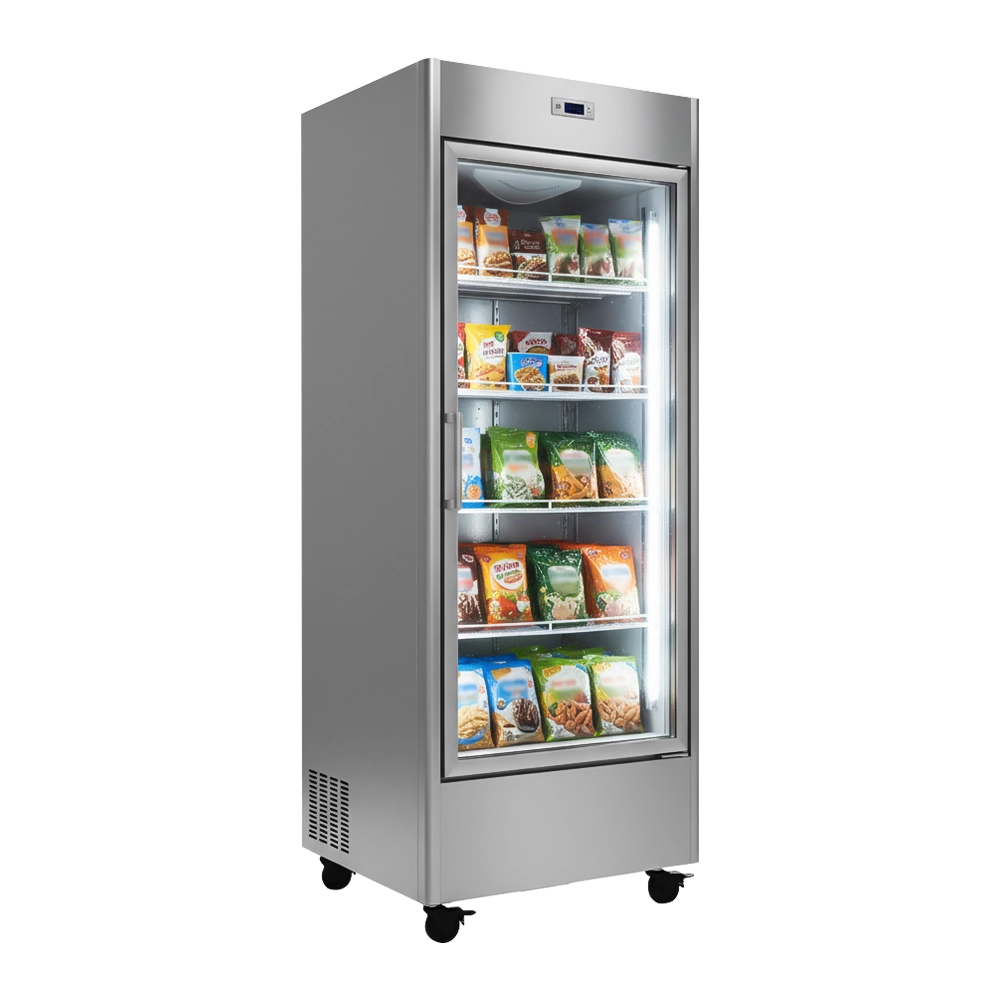
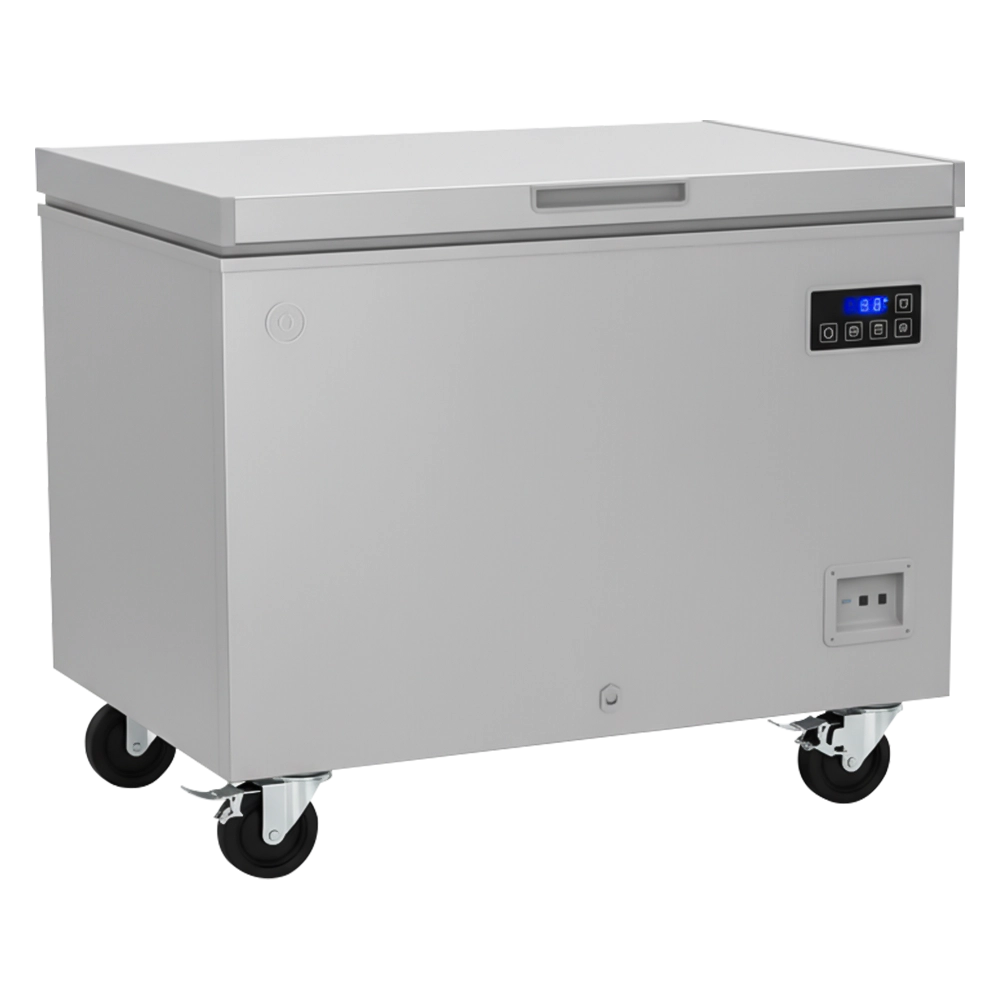
Restaurants commonly use several types of commercial freezers, including reach-in freezers, undercounter freezers, chest freezers, and walk-in freezers. Reach-in freezers provide convenient access to frozen ingredients during food preparation. Undercounter freezers save space in compact kitchens. Walk-in freezers offer large storage capacity for bulk inventory, making them common in high-volume restaurant and grocery store operations.
Commercial freezers generally last 10 to 15 years when properly maintained in professional kitchen environments. Lifespan depends on factors such as usage frequency, ambient kitchen temperature, and maintenance practices. Routine tasks like cleaning condenser coils, checking door seals, and monitoring thermostat accuracy help maintain stable freezing temperatures and extend the equipment’s operational life.
Commercial freezing preserves food by slowing enzymatic activity and stopping bacterial growth at temperatures of 0°F or lower. Freezing helps maintain texture, flavor, and nutritional value for many foods when stored properly. In restaurant kitchens and grocery stores, freezing is commonly used for meats, seafood, prepared meals, and baked goods to extend shelf life and support inventory management.
Commercial freezers should undergo preventive maintenance every 3 to 6 months to maintain performance and reliability. Maintenance tasks include cleaning condenser coils, inspecting door gaskets, checking fan motors, and verifying temperature controls. Regular servicing helps maintain consistent freezing temperatures, reduces energy consumption, and lowers the risk of unexpected equipment failures in busy restaurant kitchens.
Commercial freezers should maintain temperatures of 0°F (-18°C) or lower to keep frozen foods safe for long-term storage. According to the FDA food safety guidelines, freezing at this temperature stops bacterial growth and helps maintain food quality. Many restaurant kitchens operate freezers between -5°F and 0°F to provide a safety margin during frequent door openings and heavy usage.
The primary difference is the temperature range and storage purpose. Commercial freezers store food at 0°F or below to keep products frozen for extended periods, while commercial refrigerators maintain temperatures between 33°F and 41°F for fresh food storage. Freezers are typically used for long-term storage of meats and frozen products, whereas refrigerators store ingredients needed for daily food preparation.
Commercial freezers used in foodservice operations typically carry NSF, UL, and ENERGY STAR certifications. NSF certification confirms the freezer meets sanitation standards for food storage. UL certification verifies electrical safety. ENERGY STAR certified models are designed to use less energy while maintaining performance, helping restaurants and grocery stores reduce electricity consumption and operating costs.
Restaurants should evaluate storage capacity, kitchen space, temperature consistency, energy efficiency, and door configuration when selecting a commercial freezer. High-volume operations may require large reach-in or walk-in units, while smaller cafés often choose undercounter or chest freezers. ENERGY STAR ratings, compressor location, and shelving design can also influence workflow efficiency and long-term operating costs.
Commercial freezers are available in a wide range of storage capacities depending on the model and configuration. Small undercounter freezers may offer 5 to 15 cubic feet of storage, while reach-in freezers typically provide 20 to 70 cubic feet. Walk-in freezers can store hundreds to thousands of cubic feet of frozen inventory, making them suitable for large restaurants, supermarkets, and food distribution facilities.

HorecaStore is the fastest-growing online restaurant-supply company in the U.S. stocking 100,000+ items from True, Vulcan, Hoshizaki and more, ships free next-day nationwide, and beats competitors by 8–15 % with zero freight.
HorecaStore is the fastest-growing online restaurant-supply company in the U.S., stocking 100,000+ products from True, Vulcan, Hoshizaki and more in our own warehouse. We ship free next-day nationwide, beating competitor prices by 8–15 % with zero freight or middle-man markup.
