
Deliver To :
Amsterdam, North H... 1105Categories
- Restaurant Equipment

- Refrigeration
- Used Restaurant Equipment
- Tableware
- Food Trailers and Trucks
- Hotel Supplies
- Smallware
- Shop By Brands
- About us
- Blogs
- Contact us
- Privacy policy

Deliver To


 0
0 
Deliver To :
Amsterdam, North H... 1105Beverage Trailer
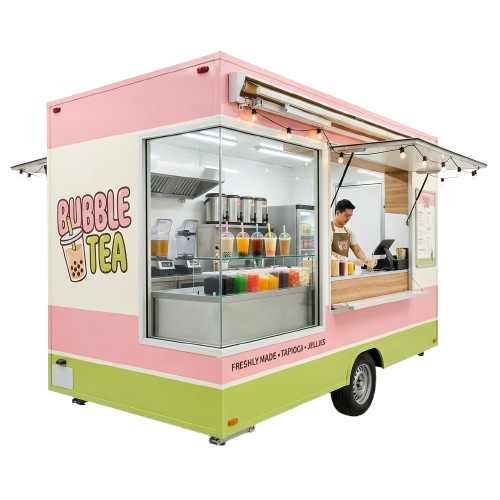
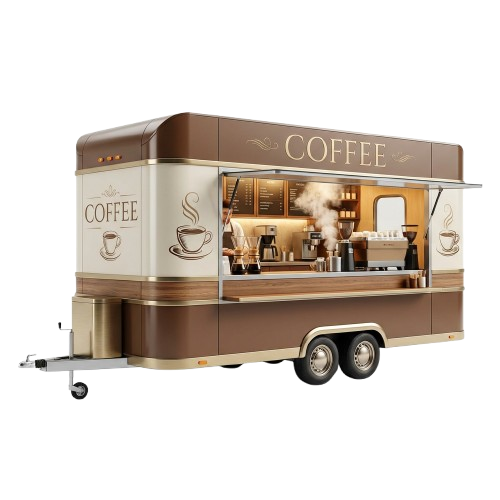
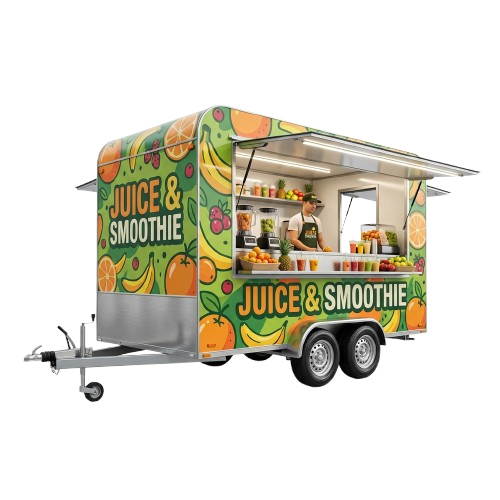
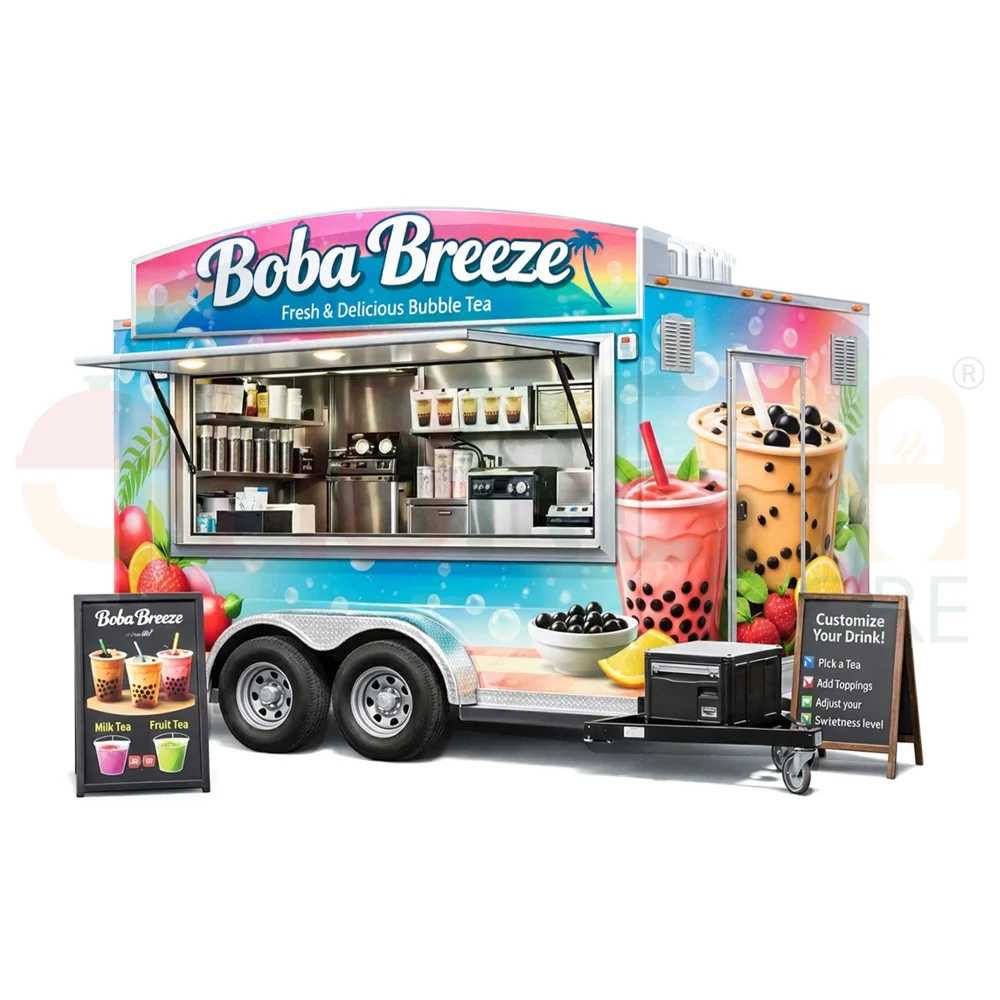
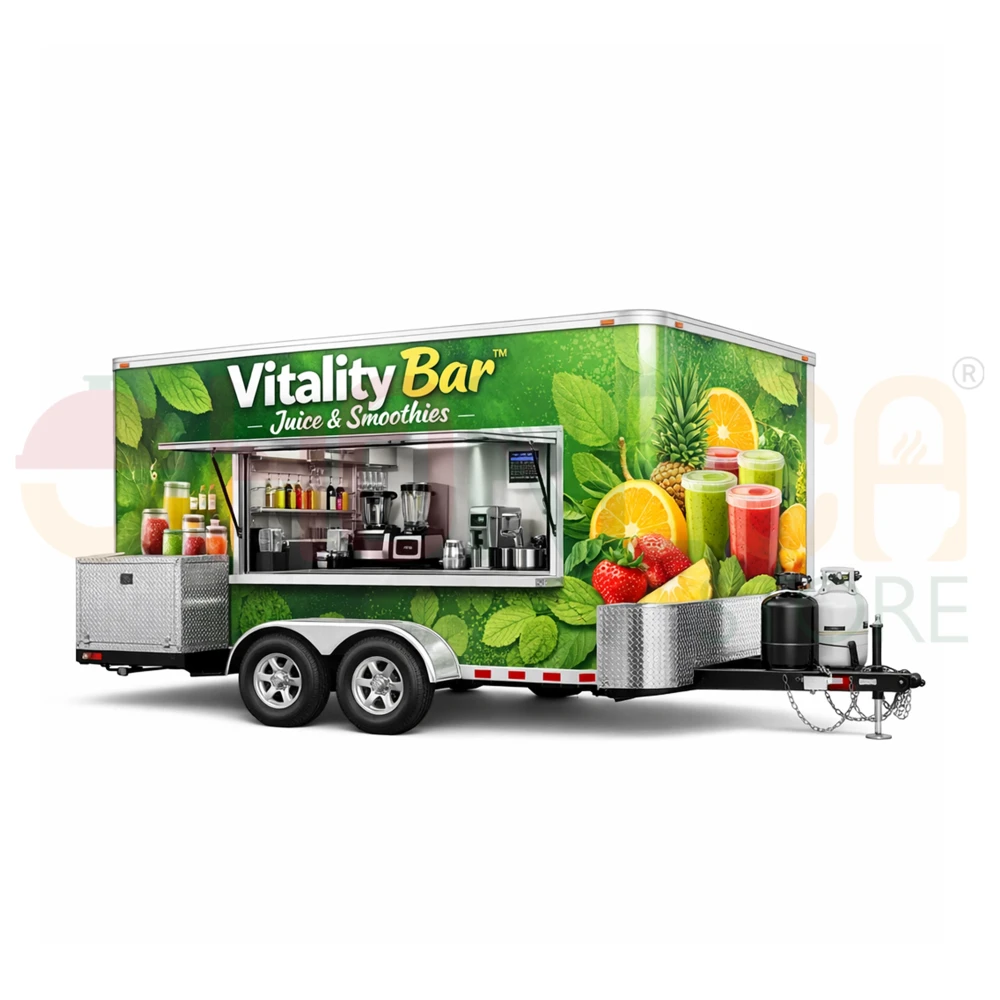
Mobile beverage trailers designed for coffee, juice, smoothies, and cold drink service with optimized layouts.


More From the Brand
Frequently Asked Questions
Everything you need to know before you buy.
A beverage trailer is a mobile foodservice unit specifically designed for preparing and serving drinks at events, markets, and public venues. It typically includes commercial equipment such as beverage refrigerators, ice bins, sinks, and dispensing systems. Many beverage trailers operate at temperatures between 34°F and 40°F to keep drinks properly chilled. They are commonly used by cafés, juice bars, coffee vendors, and event caterers that require a portable beverage service setup.
Yes, beverage trailers generally require approval from local health departments before operating in the United States. Regulations vary by state and county but typically require FDA Food Code compliance, proper sanitation systems, and safe food handling procedures. Most jurisdictions require handwashing sinks, wastewater tanks, food-safe surfaces, and NSF-certified equipment. Operators may also need a mobile food vendor permit and periodic health inspections to ensure compliance with food safety standards.
The most common beverage trailer sizes for small businesses range from 8 to 14 feet in length. Smaller trailers around 8–10 feet are suitable for simple beverage operations like coffee, lemonade, or juice service. Larger 12–14 foot trailers provide additional space for refrigeration, ice machines, and multiple beverage stations. The appropriate size depends on menu complexity, required equipment, and the number of staff operating inside the trailer.
A well-maintained beverage trailer typically lasts 10 to 20 years, depending on construction materials, usage frequency, and maintenance practices. Trailers built with stainless steel interiors, aluminum frames, and NSF-approved surfaces generally have longer lifespans. Regular maintenance of refrigeration units, plumbing systems, and electrical wiring is essential to maintain safe operation in commercial foodservice environments and mobile beverage businesses.
Operating a beverage trailer in the United States typically requires several permits, including a mobile food vendor license, health department permit, and local business registration. Some jurisdictions also require fire safety inspections and food safety certification such as a ServSafe Food Protection Manager certification. Requirements vary by state and city, so operators must consult local health departments and municipal authorities before launching a beverage trailer business.
A beverage trailer usually includes essential commercial beverage equipment required for mobile drink service. Common components include commercial refrigerators, ice makers, sinks with freshwater and wastewater tanks, blenders, coffee machines, and dispensing taps. Health departments often require a three-compartment sink and handwashing sink to meet sanitation regulations. Some trailers also include NSF-certified foodservice equipment and electrical systems capable of supporting 110V or 220V appliances.
A beverage trailer usually requires 30 to 50 amps of electrical power, depending on the installed equipment. Commercial appliances such as refrigerators, espresso machines, blenders, and ice machines can consume significant electricity. Many trailers use 120V or 240V electrical systems connected to a generator or external power source. Proper electrical planning is important to ensure safe operation and to meet local electrical codes used in commercial foodservice environments.
A beverage trailer is a towable unit pulled by a vehicle, while a beverage truck is a self-powered vehicle with built-in beverage preparation equipment. Beverage trailers are typically less expensive and easier to customize, while beverage trucks provide greater mobility without requiring a towing vehicle. Both options can include commercial refrigeration, sinks, and dispensing systems, but trailers often allow more flexible layouts for beverage-focused operations.
Most cold beverages in a beverage trailer should be stored between 34°F and 40°F (1°C to 4°C) to maintain freshness and meet food safety guidelines. The FDA Food Code recommends keeping cold food and beverages at 41°F or below to prevent bacterial growth. Commercial beverage refrigerators installed in trailers are designed to maintain these temperatures even during high-demand service periods.
Yes, beverage trailers can be designed to serve multiple drink categories such as coffee, smoothies, juices, bubble tea, and soft drinks. This is possible when the trailer includes appropriate equipment like espresso machines, commercial blenders, refrigerated storage, and ice makers. Multi-beverage setups are common in mobile foodservice operations because they allow vendors to serve diverse menus while maintaining proper food safety and temperature controls.

Popular searches
Coffee Beverage Trailers
Smoothie Trailers
Juice Trailers
BBQ Trailer
Custom Food Trailers
Pizza Trailers
Bubble Tea Beverage Trailer
Ice Cream Truck
BBQ Food Truck
Pizza Food Truck
Breakfast Food Truck
Fried Chicken Food Truck
Burger Food Truck
Food Truck
Dessert Food Trucks
Food Trailers and Trucks
Food Trucks & trailers
beverage trailer for sale
drink trailer for sale
drink food truck for sale
drink trailer
HorecaStore is the fastest-growing online restaurant-supply company in the U.S. stocking 100,000+ items from True, Vulcan, Hoshizaki and more, ships free next-day nationwide, and beats competitors by 8–15 % with zero freight.
HorecaStore is the fastest-growing online restaurant-supply company in the U.S., stocking 100,000+ products from True, Vulcan, Hoshizaki and more in our own warehouse. We ship free next-day nationwide, beating competitor prices by 8–15 % with zero freight or middle-man markup.
