
Deliver To :
Amsterdam, North H... 1105Categories
- Restaurant Equipment

- Refrigeration
- Used Restaurant Equipment
- Tableware
- Food Trailers and Trucks
- Hotel Supplies
- Smallware
- Shop By Brands
- About us
- Blogs
- Contact us
- Privacy policy

Deliver To


 0
0 
Deliver To :
Amsterdam, North H... 1105Plastic Wrap
Seal in freshness with professional-grade plastic wrap ideal for food storage and prep.
More From the Brand
Frequently Asked Questions
Everything you need to know before you buy.
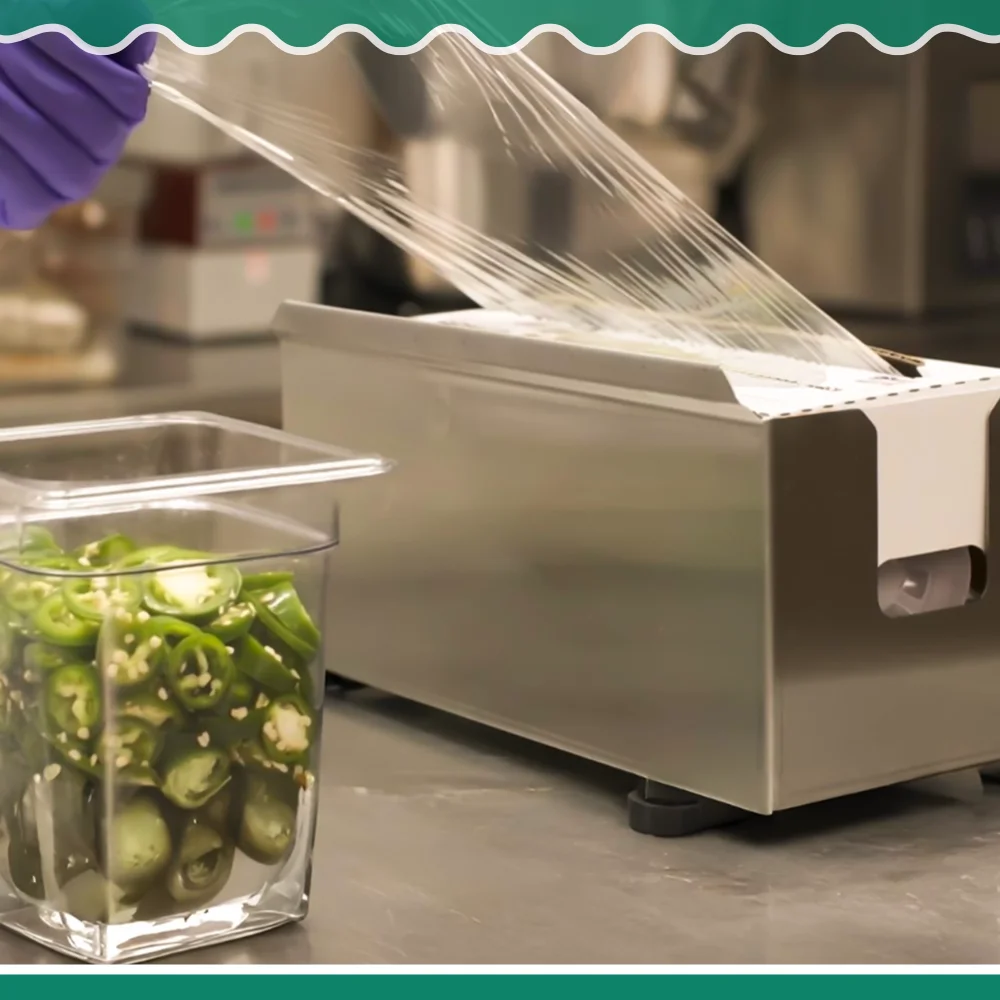
Plastic wrap, also called cling film or food wrap, is a thin flexible plastic film used to seal and cover food containers to keep food fresh. In restaurants, grocery stores, and commercial kitchens, it is commonly used to cover bowls, wrap ingredients, and protect prepared foods during storage. The wrap sticks to surfaces and forms a tight seal that helps preserve food quality and reduce contamination.
Plastic wrap helps preserve food by creating a barrier that limits exposure to oxygen, moisture, and contaminants. When stretched over a container or food item, the film forms a tight seal that slows spoilage and helps maintain flavor and texture. This barrier also protects food from microorganisms, insects, and environmental contamination.
Most plastic wrap films used for food packaging are very thin, typically around 8 to 10 micrometers (µm) thick. Despite this thinness, the film remains strong and flexible due to the polymer structure used in its production. Thin films allow the wrap to stretch and cling tightly to containers while still being easy to tear from a roll.
Yes, plastic wrap is commonly used for refrigeration and freezer storage because it forms a protective seal around food containers. This seal helps prevent freezer burn, moisture loss, and absorption of odors from other foods. Polyethylene-based films are particularly useful because they remain flexible at low temperatures.
Plastic wrap helps reduce food waste by extending the shelf life of perishable foods. By sealing food from air and moisture, the wrap slows oxidation and microbial growth, helping foods remain fresh for longer periods. This protective barrier can improve food storage efficiency in both households and commercial kitchens.
Plastic wrap is typically made from polymers such as polyvinyl chloride (PVC) or polyethylene (PE), including low-density polyethylene (LDPE). These materials are chosen because they are flexible, transparent, and able to cling to surfaces. LDPE films are widely used in food packaging because they provide stretchability, clarity, and food-safe performance.
Plastic wrap is commonly used to cover food containers, wrap prepared ingredients, protect leftovers, and store fresh produce or meats. In commercial kitchens, it also helps maintain hygiene during food preparation and supports food storage in refrigerators and prep stations. The wrap’s flexibility allows it to cover containers of different shapes and sizes easily.
Plastic wrap designed for food packaging is generally safe when produced using food-grade materials and used as intended. Regulatory authorities evaluate packaging materials to ensure that any chemicals migrating into food remain within safe limits. Manufacturers must comply with food safety standards before plastic wrap can be marketed for food contact.
Plastic wrap used for food storage is a thin cling film designed for direct food contact and sealing containers. Stretch wrap, in contrast, is a thicker plastic film used mainly in industrial packaging to secure pallets and products for shipping. Stretch wrap is not typically intended for food contact applications.
Businesses should consider film material, thickness, stretchability, and food compatibility when selecting plastic wrap. For example, PE-based films offer good flexibility and food safety, while stronger films may be needed for wrapping large containers or heavy food items. Commercial kitchens also evaluate roll width, length, and dispenser compatibility for efficient daily use.

HorecaStore is the fastest-growing online restaurant-supply company in the U.S. stocking 100,000+ items from True, Vulcan, Hoshizaki and more, ships free next-day nationwide, and beats competitors by 8–15 % with zero freight.
HorecaStore is the fastest-growing online restaurant-supply company in the U.S., stocking 100,000+ products from True, Vulcan, Hoshizaki and more in our own warehouse. We ship free next-day nationwide, beating competitor prices by 8–15 % with zero freight or middle-man markup.
