
Deliver To :
Amsterdam, North H... 1105Categories
- Restaurant Equipment

- Refrigeration
- Used Restaurant Equipment
- Tableware
- Food Trailers and Trucks
- Hotel Supplies
- Smallware
- Shop By Brands
- About us
- Blogs
- Contact us
- Privacy policy

Deliver To


 0
0 
Deliver To :
Amsterdam, North H... 1105Disposable Cups
Serve beverages effortlessly with sturdy disposable cups for hot and cold drinks.
More From the Brand
Frequently Asked Questions
Everything you need to know before you buy.
Disposable cups are single-use drinking containers designed for serving beverages such as coffee, soda, juice, or water. They are widely used in restaurants, cafés, bakeries, convenience stores, and catering operations because they allow quick beverage service without washing reusable glassware. Disposable cups are usually discarded after one use to help maintain hygiene in high-volume foodservice environments.
Standard disposable cup sizes typically range from about 8 ounces to 32 ounces depending on the beverage served. Common sizes include 8 oz and 12 oz cups for coffee or tea, while larger sizes such as 16 oz, 20 oz, and 32 oz are often used for soft drinks or iced beverages. These standardized sizes help restaurants maintain consistent beverage portions.
Disposable cups are safe for serving beverages when they are manufactured with approved food-contact materials and meet regulatory standards. In the United States, the FDA regulates substances used in food packaging and containers to ensure they do not transfer harmful chemicals to food or beverages during normal use.
Disposable cups help maintain beverage temperature through insulating materials and layered construction. Paper cups often include a plastic lining to hold liquid without leaking, while foam cups contain air pockets that act as thermal insulation. These designs help keep hot drinks warm and cold drinks chilled for a longer period during service.
Yes, eco-friendly disposable cups are available and may be made from recyclable paperboard, plant-based bioplastics, or compostable materials. Many paper cups are produced from responsibly sourced paper and designed to meet food-grade safety standards while reducing environmental impact.
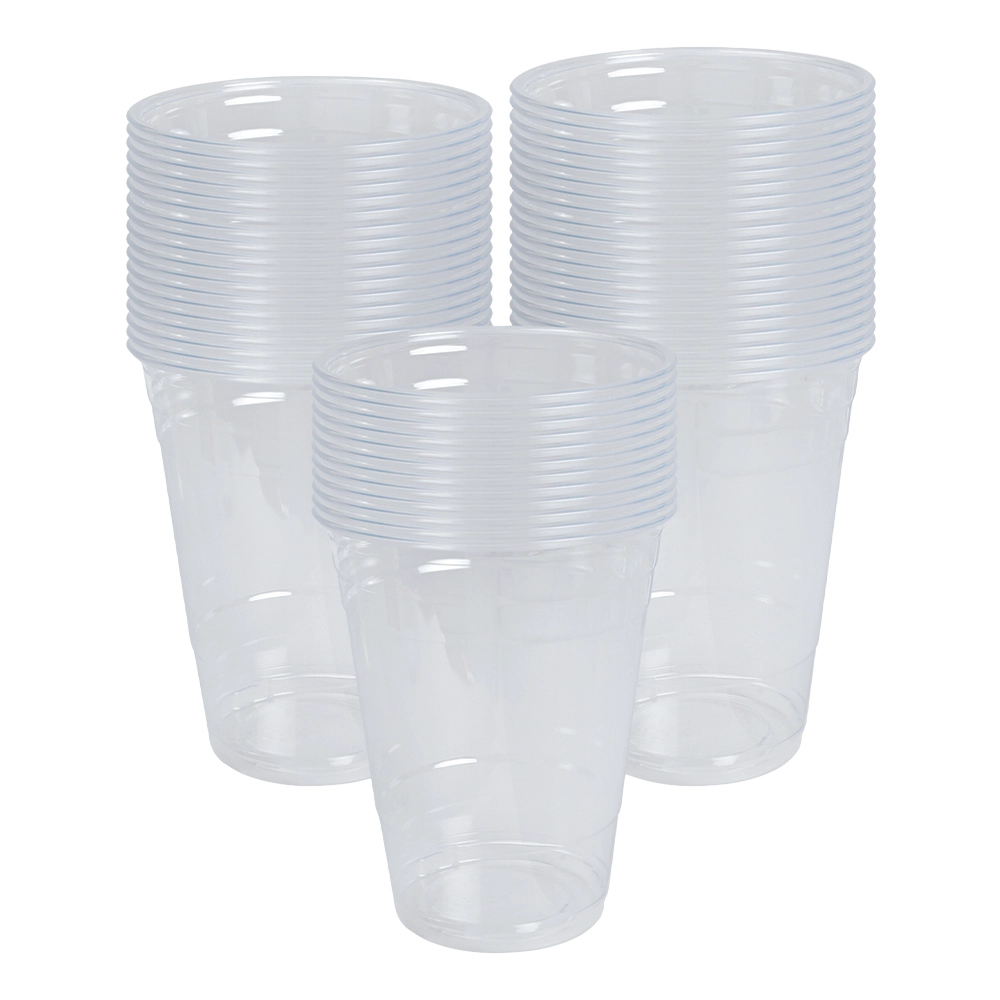
The most common disposable cup types include paper cups, plastic cups, and foam cups used for hot and cold beverages. Paper cups are frequently used for coffee and tea, plastic cups are common for cold drinks like soda or iced beverages, and foam cups provide insulation for hot drinks. Each type is designed to handle different temperature requirements in foodservice operations.
Disposable cups are usually made from paperboard, plastic, or expanded polystyrene foam depending on their intended use. Paper cups are typically lined with a thin plastic or wax coating to prevent leaks, while plastic cups are commonly made from polypropylene or PET. Foam cups are produced from expanded polystyrene, which provides good thermal insulation.
Disposable cups are commonly used in quick-service restaurants because they simplify beverage service and reduce the need for washing reusable cups. Their single-use design helps maintain hygiene and allows businesses to serve large numbers of customers efficiently. They are especially useful for takeaway drinks and self-service beverage stations.
Hot beverage cups are typically thicker and designed with insulating materials to handle high temperatures from drinks like coffee or tea. Cold drink cups are usually thinner and made from plastic or paperboard designed for iced beverages. Many hot cups also use lids and sleeves to improve insulation and prevent burns.
Businesses should consider cup size, beverage temperature, material type, and compatibility with lids when selecting disposable cups. For example, insulated paper cups are suitable for hot drinks, while clear plastic cups are often used for iced beverages. Restaurants also review food-safety compliance and local regulations regarding single-use packaging materials.

HorecaStore is the fastest-growing online restaurant-supply company in the U.S. stocking 100,000+ items from True, Vulcan, Hoshizaki and more, ships free next-day nationwide, and beats competitors by 8–15 % with zero freight.
HorecaStore is the fastest-growing online restaurant-supply company in the U.S., stocking 100,000+ products from True, Vulcan, Hoshizaki and more in our own warehouse. We ship free next-day nationwide, beating competitor prices by 8–15 % with zero freight or middle-man markup.
