
Deliver To :
Amsterdam, North H... 1105Categories
- Restaurant Equipment

- Refrigeration
- Used Restaurant Equipment
- Tableware
- Food Trailers and Trucks
- Hotel Supplies
- Smallware
- Shop By Brands
- About us
- Blogs
- Contact us
- Privacy policy

Deliver To


 0
0 
Deliver To :
Amsterdam, North H... 1105Hand Wash Sink
Promote hygiene compliance with hand wash sinks designed for safe, convenient use in commercial kitchens.


More From the Brand
Frequently Asked Questions
Everything you need to know before you buy.
A hand wash sink is a dedicated sink used exclusively for employee handwashing in foodservice environments. In restaurant kitchens, cafés, and bakeries, these sinks help maintain hygiene and prevent cross-contamination during food preparation. The FDA Food Code requires easily accessible handwashing stations in food handling areas. Most commercial units are stainless steel and include soap dispensers, paper towel holders, and splash guards to support proper sanitation practices.
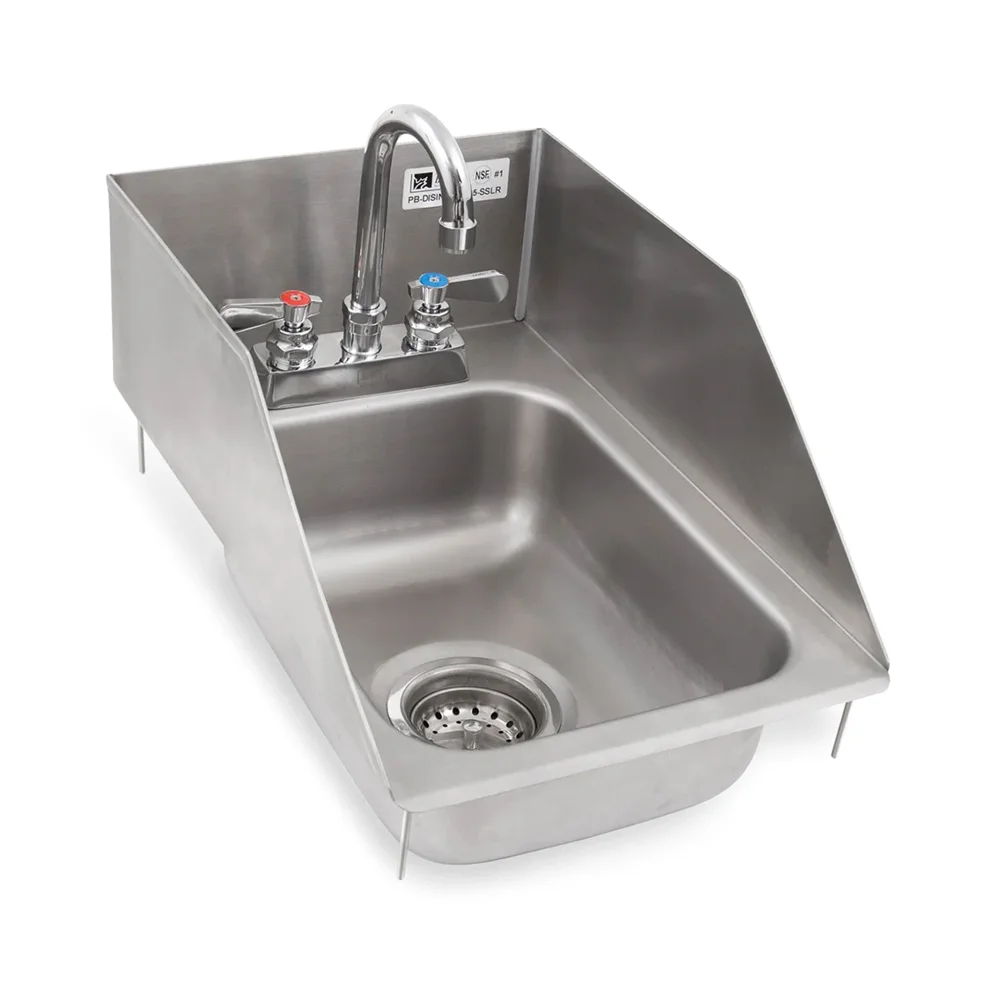
A commercial hand wash sink typically includes a stainless steel basin, faucet, soap dispenser, and paper towel holder. Many models also include side splashes or backsplashes to prevent water from reaching nearby food preparation areas. Health departments often require hands-free faucets such as knee valves, foot pedals, or sensor-operated faucets. NSF-certified construction is commonly required to ensure the sink meets sanitation and durability standards used in restaurant kitchens.
A hand wash sink is used only for employee handwashing, while a prep sink is used for washing vegetables, fruits, and other food ingredients. Health departments require strict separation between these sinks to prevent contamination. Prep sinks are typically larger and may include multiple compartments, while handwashing sinks are smaller and designed for quick access. Restaurant kitchens must label and use each sink correctly to comply with FDA food safety guidelines.
Commercial hand wash sinks are most commonly made from stainless steel due to its durability, corrosion resistance, and sanitation properties. Stainless steel surfaces are easy to clean and meet NSF sanitation standards required in foodservice environments. Typical gauges range from 16 to 20 gauge stainless steel. This material is widely used in restaurant kitchens because it withstands daily exposure to water, cleaning chemicals, and frequent handwashing.
Hand wash sinks used in commercial kitchens often need NSF certification to meet sanitation and safety requirements. NSF International evaluates equipment materials, design, and cleanability to ensure compliance with foodservice standards. Many local health departments recommend or require NSF-certified commercial equipment in restaurants, bakeries, and grocery stores. Certification helps confirm that the sink is suitable for use in regulated food preparation environments.
Hand wash sinks are required because food safety regulations mandate proper hand hygiene wherever food is handled. The FDA Food Code requires a dedicated handwashing sink in each food preparation area to reduce contamination risks. Health inspectors typically check that sinks include soap, disposable towels, and warm running water around 100°F (38°C). These requirements apply to restaurants, grocery stores, bakeries, and other commercial foodservice facilities.
The number of hand wash sinks required depends on kitchen size and layout, but at least one sink must be located in every food preparation area. The FDA Food Code states that employees should have immediate access to a handwashing station without crossing food preparation zones. Large restaurant kitchens may require multiple sinks placed within 25 feet of workstations to maintain proper hygiene during busy foodservice operations.
Water in a commercial hand wash sink should generally reach at least 100°F (38°C) according to the FDA Food Code. Warm water helps remove grease, bacteria, and food residue more effectively during handwashing. Many restaurant kitchens install mixing valves or temperature-controlled faucets to maintain consistent warm water. This temperature requirement supports proper hygiene and is commonly checked during routine health inspections.
A hand wash sink should be installed in a location that allows employees to access it quickly during food preparation. The FDA Food Code recommends placing sinks near cooking stations, food prep areas, and dishwashing zones. They should be unobstructed and clearly designated for handwashing only. Proper placement helps ensure employees wash their hands frequently, reducing contamination risks in busy restaurant kitchens.
A commercial hand wash sink typically lasts between 10 and 15 years with proper maintenance and normal kitchen use. Stainless steel construction and high-quality faucets contribute to longer service life in restaurant kitchens. Regular cleaning and periodic replacement of components such as faucets, valves, or drains can extend durability. Heavy-use environments like busy restaurants may require occasional part replacements to maintain proper function.

HorecaStore is the fastest-growing online restaurant-supply company in the U.S. stocking 100,000+ items from True, Vulcan, Hoshizaki and more, ships free next-day nationwide, and beats competitors by 8–15 % with zero freight.
HorecaStore is the fastest-growing online restaurant-supply company in the U.S., stocking 100,000+ products from True, Vulcan, Hoshizaki and more in our own warehouse. We ship free next-day nationwide, beating competitor prices by 8–15 % with zero freight or middle-man markup.
