
Deliver To :
Amsterdam, North H... 1105Categories
- Restaurant Equipment

- Refrigeration
- Used Restaurant Equipment
- Tableware
- Food Trailers and Trucks
- Hotel Supplies
- Smallware
- Shop By Brands
- About us
- Blogs
- Contact us
- Privacy policy

Deliver To


 0
0 
Deliver To :
Amsterdam, North H... 1105Luggage Rack
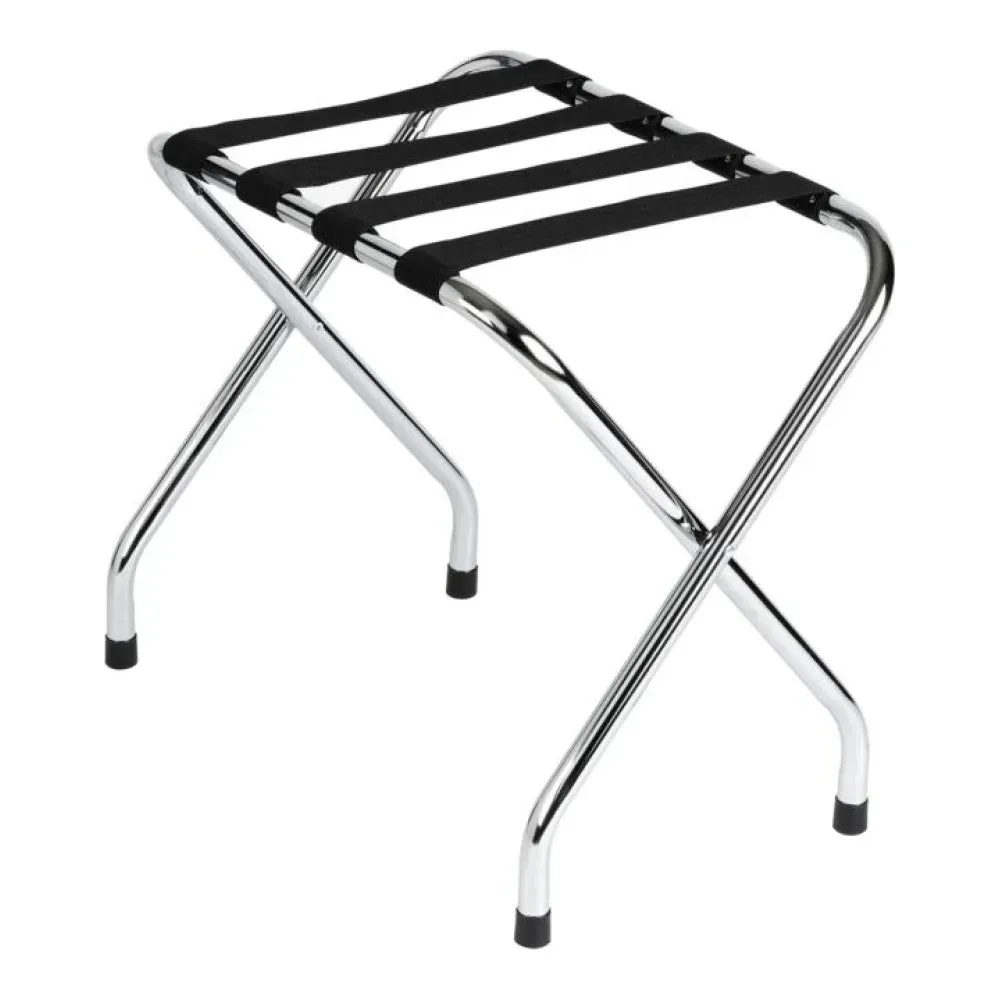
Offer guests convenient storage with sturdy, space-saving luggage racks.

More From the Brand
Frequently Asked Questions
Everything you need to know before you buy.
A luggage rack is a foldable stand designed to hold suitcases off the floor in hotel rooms or hospitality spaces. It typically features a metal or wooden frame with durable nylon or polypropylene straps that support luggage weights of 100–150 pounds. Hotels place luggage racks in guest rooms so travelers can unpack easily without placing bags on beds or furniture. In hospitality operations, these racks help maintain cleanliness and improve guest convenience.
Most commercial luggage racks used in hotels can support between 100 and 150 pounds of weight. Heavy-duty models built with reinforced steel frames and multiple support straps may handle up to 200 pounds. This capacity allows the rack to safely hold large travel suitcases commonly weighing 50–80 pounds when fully packed. Hotels select racks with higher weight ratings to ensure durability in high-traffic hospitality environments.
A standard hotel luggage rack is typically 18–24 inches high and about 20–26 inches wide when opened. This height allows guests to access luggage comfortably without bending to the floor. The folded width of most racks is around 3–5 inches, allowing easy storage in closets or against walls. These dimensions are widely used across the hospitality industry because they accommodate most standard carry-on and checked luggage sizes.
Commercial luggage racks typically last between 5 and 10 years depending on material quality and frequency of use. Steel-frame racks with reinforced straps tend to have longer lifespans in high-occupancy hotels. Over time, straps may loosen or fray due to repeated loading of heavy suitcases. Hospitality maintenance teams usually inspect racks periodically and replace worn straps to maintain safety and functionality.
Luggage racks are commonly used in cruise ship cabins, vacation rentals, guest houses, and resort accommodations in addition to hotels. They are also used in hospitality environments such as conference centers and boutique inns where guests travel with suitcases. Providing a dedicated luggage stand helps maintain room organization and cleanliness. These racks support efficient housekeeping operations by preventing luggage from being placed on beds or upholstered furniture.
Hotels place luggage racks in guest rooms to provide a hygienic and convenient place for guests to store suitcases. Elevating luggage about 18–24 inches above the floor prevents contact with carpets where dust or pests may be present. Hospitality standards often recommend luggage racks to improve room organization and reduce wear on bedding and furniture. Many hotels include at least one rack per room as part of standard guestroom furnishings.
Commercial luggage racks are typically made from metal or hardwood frames combined with heavy-duty nylon or polypropylene straps. Steel and chrome-plated racks are common in modern hotels because they resist corrosion and support high weight capacities. Wooden racks made from oak, walnut, or bamboo are often used in boutique hotels for aesthetic appeal. Durable materials help racks withstand frequent guest use and last approximately 5–10 years in hospitality settings.
Folding luggage racks are generally preferred in hotels because they save space and allow flexible storage. A folding rack can collapse to a width of about 3–5 inches, making it easy for housekeeping staff to store it in closets or behind furniture. Fixed luggage stands provide constant support but require permanent floor space. In hospitality operations where room layouts vary, folding racks are more practical and widely used.
Hotels typically evaluate durability, weight capacity, materials, and stability when selecting luggage racks. High-quality racks often include reinforced nylon straps, non-slip feet, and frames designed to support at least 100–150 pounds. Some models include backrests to prevent luggage from touching walls. Hospitality operations also consider compact folding designs so housekeeping staff can move and store racks easily during room cleaning.
The main difference between wooden and metal luggage racks is durability, style, and maintenance requirements. Metal racks made from steel or chrome often support higher weight capacities and resist moisture or corrosion. Wooden racks provide a warmer appearance and are often used in upscale hospitality settings. Both types typically support luggage weights around 100–150 pounds, but metal frames are often preferred for heavy-duty commercial use.

HorecaStore is the fastest-growing online restaurant-supply company in the U.S. stocking 100,000+ items from True, Vulcan, Hoshizaki and more, ships free next-day nationwide, and beats competitors by 8–15 % with zero freight.
HorecaStore is the fastest-growing online restaurant-supply company in the U.S., stocking 100,000+ products from True, Vulcan, Hoshizaki and more in our own warehouse. We ship free next-day nationwide, beating competitor prices by 8–15 % with zero freight or middle-man markup.
